


Fall-planted flower bulbs are a bit like buried treasure – their blooms are often the first splash of color in spring, reminding us that warmer, longer days and lush summer gardens are just around the bend!
Bulb Gardens: The Big Picture
Begin with the end in mind. Here are five questions to ask yourself before creating a vibrant, long-lasting bulb garden:
-
How much sun will it get and what are the soil conditions like?
Bulbs vary in their light needs — tulips and alliums thrive in full sun, while some woodland bulbs (like snowdrops or trout lilies) do better in partial shade. Check your soil drainage; bulbs need well-draining soil to prevent rot. Consider using raised beds or adding organic matter if your soil is heavy clay.
-
What is my hardiness zone and seasonal climate?
Choose bulbs that will reliably return each year in your USDA hardiness zone or equivalent regional climate zone. Consider how wet or dry your winters are and whether you need to lift tender bulbs (like dahlias or gladiolus) after frost. (To lift bulbs is to dig them up, dry them, and store them over the winter, then replant in spring.)
-
What color palette and bloom sequence do I want?
Plan for early (crocus, snowdrops), mid (tulips, daffodils), and late-season (alliums, lilies) bloomers to extend flowering from late winter to summer. Decide if you want harmonious tones (such as soft pinks, purples, or whites) or bold contrasts (such as yellow and purple or red and white).
-
How will the bulbs integrate with the plants and structures already in the garden?
Think about companions: perennials and groundcovers can hide dying bulb foliage after the flowers bloom. Consider nearby shrubs, pathways, or focal points — bulbs often look best planted en masse or naturalized around features like trees or benches.
-
What’s the plan for maintaining the bulb garden?
Do I want to deadhead spent flowers to prevent self-seeding or improve next year’s bloom? Am I willing to dig and divide bulbs every few years or replant annual ones (like tulips in warm climates)?
Mind the Light and Prep the Soil
Many spring-flowering bulbs thrive in full sun, which typically means at least 6 hours of direct sunlight per day. These beauties do best in well-drained soil and plenty of light. (Most of the bulb varieties we sell are sun-loving!)
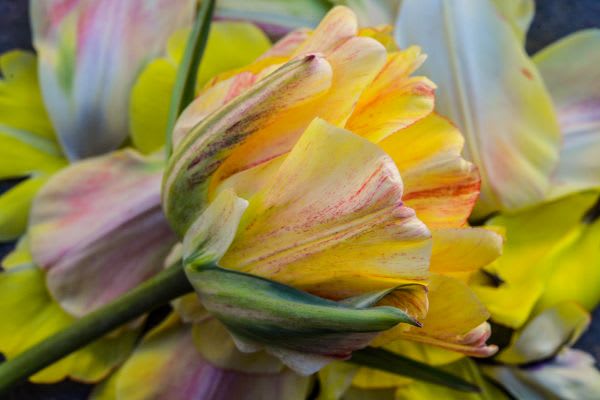
Tulips
- Tulips require full sun for strong stems and vibrant blooms.
- Well-draining soil is critical for preventing root rot.
- Tulips are perennials, but they’re usually grown as annuals, especially in warmer climates where they may not reliably return.
- Shop our tulip bulbs now! Note that the available stock changes from time to time; we may re-stock several times when in season.
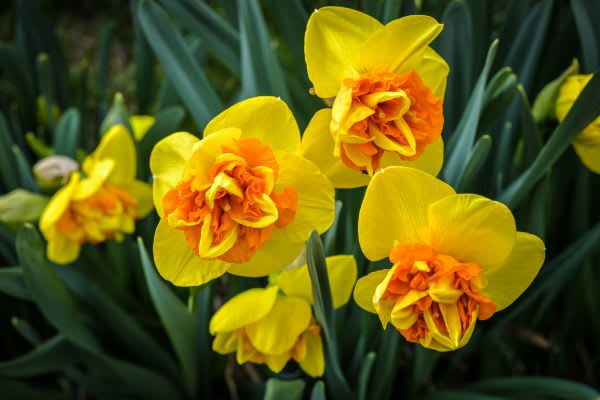
Daffodils (Narcissus)
- Daffodils thrive in full sun but will tolerate partial shade.
- They naturalize easily in sunny meadows or borders.
- Deer and rodents won’t bother them!
- Shop our selection of daffodil bulbs now -- note that the available stock changes from time to time; we may re-stock several times when in season!
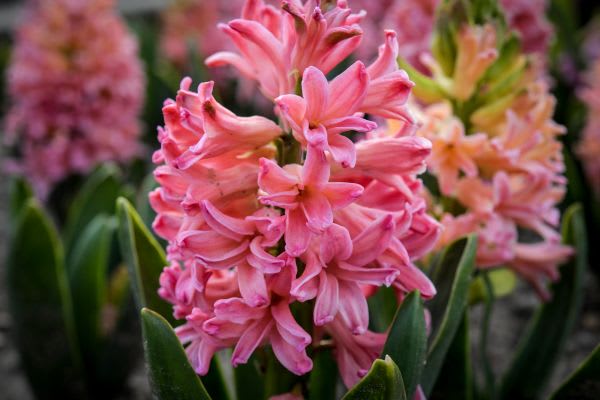
Hyacinths
- Hyacinths prefer full sun for the most compact flower spikes.
- Their strong fragrance and vivid color make them ideal for mass plantings.
- Shop our selection of hyacinth bulbs now -- note that the available stock changes from time to time; we may re-stock several times when in season!
Alliums
- Alliums require full sun for the best flowers.
- The tall, globe-like flowers bloom from late spring to early summer.
- They are drought tolerant once established.
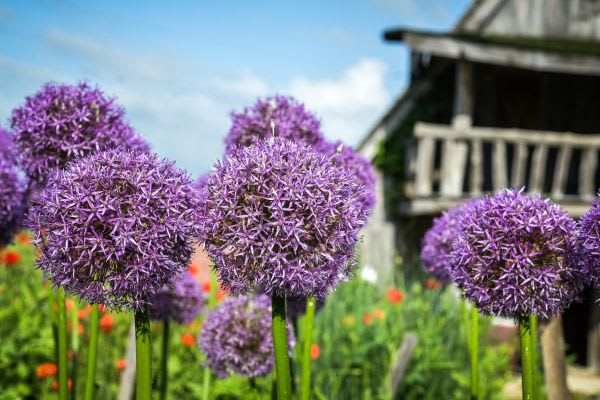
Globemaster Allium
Design Tip for Bulb Gardening
- For sunny borders, pair early crocus/dwarf iris with mid-spring tulips & daffodils, then finish with dramatic alliums.
Soil and Nutritional Needs
- Well-drained soil is more important than rich soil — bulbs rot in soggy, compacted conditions.
- Sandy loam or loamy soils are ideal. Heavy clay should be lightened with compost, leaf mold, or grit.
What to Feed and Why it Matters
- Phosphorus (P) is critical for root and bulb development; ensures energy storage for next year. Add bone meal, rock phosphate, or bulb-specific fertilizer at planting time (work into the soil below the bulb).
-
Potassium (K) supports flower production, disease resistance. and overall vigor. Apply via wood ash (lightly), solfate of potash. or balanced bulb fertilzer in fall and again after bloom.
-
Nitrogen (N) promotes leaf and stem growth, but too much causes floppy foliage and fewer flowers. Provide only a light, slow-release form (e.g., blood meal or compost). Avoid using high-nitrogen lawn fertilizers nearby.
-
Calcium (Ca) is needed for strong cell walls. especially in bulbs like tulips. Add lime to acidic soil or gypsum to neutral soils at planting. Always test pH before amending.
- Magnesium (Mg) helps with clorophyll and photosynthesis, feeding energy back into bulbs. Epsom salts (magnesium sulfate) can be added in small amounts at bloom time.
When Should I Feed My Bulb Garden?
- At planting (fall): Mix bone meal, compost, or a low-nitrogen bulb fertilizer into the hole. This builds strong roots before winter.
- As shoots emerge (early spring): Apply a balanced, slow-release fertilizer (something like 5-10-10). This fuels leaf and flower growth.
- After bloom (before foliage dies back): Feed again lightly — this is when bulbs recharge for next year. Keep leaves intact until they yellow naturally (photosynthesis sends food back into the bulb).
Tips for Choosing a Color Palette and Bloom Sequence
-
Start with Your Color Palette
First, define the mood. Soft pastels—pale pinks, buttery yellows, lavender—create a romantic, calming atmosphere. For bold impact, opt for vivid contrasts like deep purple tulips paired with golden daffodils or fiery red tulips against bright whites. Stick to 2 to 4 complementary or analogous colors to maintain harmony. Too many hues can feel chaotic, especially in smaller beds. -
Layer the Bloom Sequence
Spring bulbs bloom in phases—early, mid, and late spring—so layering is key for a long-lasting show. Start with early bloomers like Crocus, Galanthus (snowdrops), and Iris reticulata, which emerge as early as February in temperate zones. Follow with mid-season staples like tulips, daffodils, and hyacinths. Close the season with late bloomers such as alliums, Camassia, and Fritillaria. -
Plant in Naturalistic Drifts
Group bulbs in odd-numbered clusters or flowing drifts, the way perennial bulbs naturalize in the landscape. Just say no to rigid rows! Taller varieties should go toward the back of beds, with shorter bulbs in front to maximize visibility. -
Don’t Forget Foliage
After flowering, bulb foliage hangs around. Interplant bulbs with perennials to hide the fading leaves and keep the garden photo worthy!
What’s Lasagna Planting and How Do I Do It?
- Planting a lasagna bed is rather like assembling the cheesy, chewy, savory Italian baked dish – in layers.
- Plant the largest bulbs deepest and the smallest near the surface. Lasagna planting is an excellent way to maximize space and have blooms over a long season.
- Plant large, late-season bulbs like tulips, daffodils, and alliums 6 to 8 inches deep.
- Plant medium-size bulbs like hyacinths 4 to 6 inches deep.
- Small bulbs like crocus or muscari go in the top layer, 2 to 4 inches deep.
Here’s how to build a lasagna bed:
- Dig out the whole area to the depth needed for the deepest bulbs.
- Place the largest bulbs and cover with a few inches (2 to 3 inches) of soil.
- Add the mid-sized bulbs and cover with more soil.
- Finally, add the smallest bulbs, then backfill to the surface.
- Water in and mulch if needed for frost protection.
Main Takeaways
- Flower bulbs hate heavy clay soil.
- Well-draining soil is more important than rich soil.
- Most flowering bulbs love sun but will tolerate some shade.
- Choose your color palette based on the mood you want to create in the bulb garden.
- Lasagna planting can pack a long blooming season into a compact space.
- Baker Creek offers a stunning collection of the finest spring-flowering bulbs you’ll find anywhere!
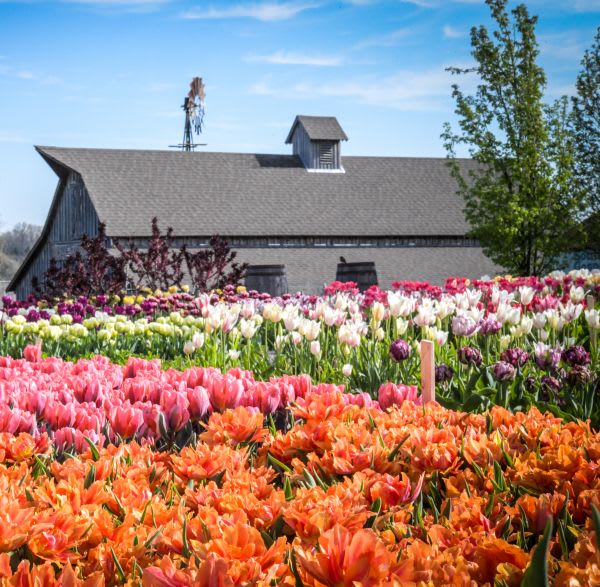
Spring bulb garden at our Mansfield, MO, farm
About the Author
Michelle Johnson wears a lot of hats here at Baker Creek, but perhaps her favorite role is that of seed historian. She produced many of the Seed Stories videos on our YouTube channel (and yes, that's her voice narrating many of them!) and frequently contributes stories to The Whole Seed Catalog. With decades of experience as a journalist, both in print and on the radio, she is delighted to use her reporting skills to dig in to the history of seeds and the people who grow them.

Michelle Johnson


