


“Never let go of that pea,” his Aunt Maddie would always tell J.T. Harris.
He didn’t -- and he also did one better.
A few years ago, after a visit to Baker Creek, J.T. sent a handful of his family’s heirloom clay peas (a cowpea) to us from his East Texas farm.
“I tremble, because when I’m gone nobody else in my family is going to be interested in this pea. That’s why I sent you all some seed,” he said. “I didn’t want to fumble the ball – not on my generation.”
Cowpeas were – and remain – a staple of African American and Southern cuisine, revered for their versatility, flavor, nutrition, and their ability to power through punishing conditions and produce over a long season.
They are also at the center of what culinary historian Michael W. Twitty calls “a transnational myth of resilience,” inextricably bound to the story of African enslavement on the American continent.
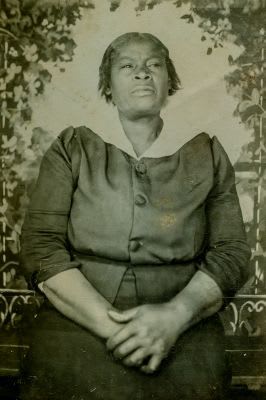
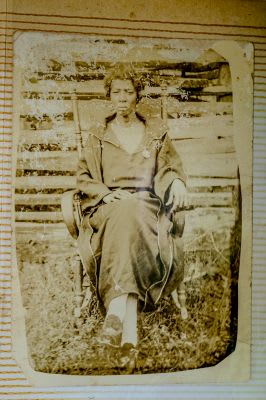
Generations of J.T.’s family had been saving and growing the clay pea since J.T.’s great-great grandfather, Louis Ross, bought 110 acres of land on the Louisiana-Texas border in 1867, two years after news of the Emancipation Proclamation finally reached Texas. Louis earned a living as a farmer and a blacksmith, and unlike many of his contemporaries, he had learned how to read and write.
“We have no idea where Louis got those peas. But it was a common pea back in those days,” J.T. said. “The Ross side of the family was really the perpetuator of the seed. That’s because they were attached to the land.”
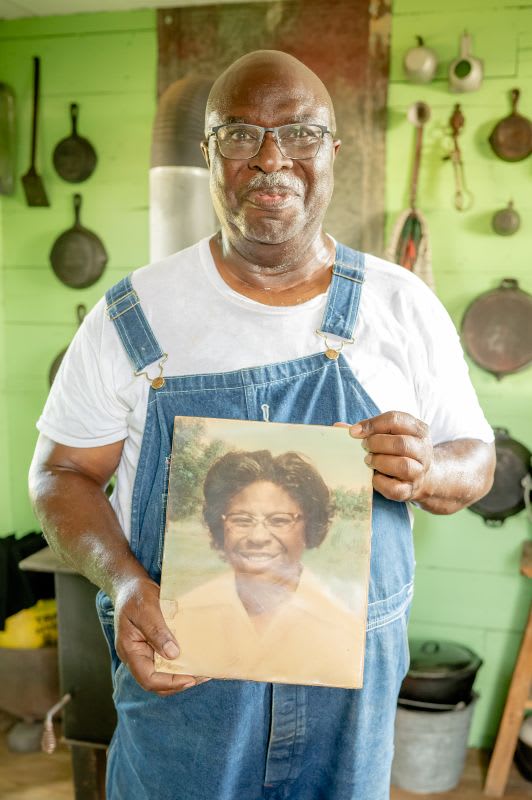
The original Ross place remains in family hands. Louis’ daughter, Clemmie, passed it down to J.T.’s grandmother, Daisy, a frugal woman who understood the importance of place and the value of freedom from debt. After Daisy’s death in 1981, his Aunt Maddie Harris and her siblings inherited the land, which J.T. eventually purchased.
After all, it was part of his story, too. J.T. had grown up on the farm, and he had internalized Daisy’s words: “Take care of the land, and the land will take care of you.”
After high school, he joined the Navy, where he served about two and a half years on the USS John F. Kennedy before being assigned to Quantico Marine Corps Base in Virginia.
In 1973, he returned home to Louisiana to help his Aunt Maddie and his mother, Lucile Taylor-Harris, on the farm. (J.T.’s father, Jay T. Sr., died in 1965.)
All the while, they kept Louis’ clay pea in cultivation.
A Brief History of Cowpeas
The cowpea (Vigna unguiculata) was domesticated in West Africa (and perhaps East Africa as well), before 2500 BCE, and by 400 BCE it had spread widely, to sub-Saharan Africa, the Mediterranean, India, and Southeast Asia.
It is not clear exactly when cowpeas arrived in the Americas, though Spanish colonists introduced some Mediterranean varieties to Mexico and the Southwest in the 16th or 17th centuries. Preserved seed leaves found during archeological work at a Creek Indian village in Georgia demonstrates that Native Americans were growing cowpeas as well.
There is also historical evidence of cowpea cultivation in Jamaica, in the West Indies, by 1687. (Hans Sloane, physician to the British governor of Jamaica, wrote of seeing them in his visit there in 1687-8.)
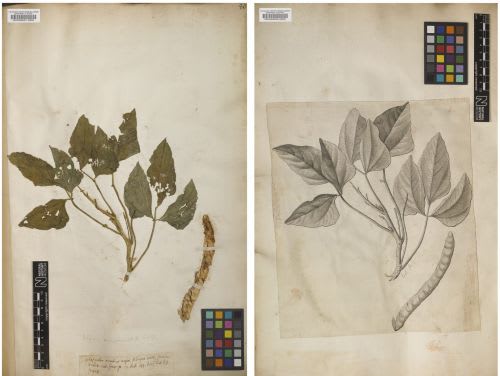
But the majority of V. unguiculata cultivars originated in West Africa and were carried on ships that also brought enslaved Africans to the Americas beginning in the mid-16th century, thus tying the tragic legacy of slavery to the story of the remarkable, resilient, and useful legume.
In a 2022 essay for the New York Botanical Garden, historical botanist Benjamin Torke wrote that “As a non-perishable, protein- and nutrient-rich food item widely available in West African ports during the slave trade, the dried seeds of cowpeas and other pulses (dried beans and peas) were a major portion of the scant provisions given to African people held captive under the horrific conditions of the ‘Middle Passage.’” Without them, he writes, the death rates among captives would have been much higher.
In the American South, where growing conditions resemble the hot, dry African climate, cowpeas grew prodigiously and widely. They were used as food for animals and humans (especially enslaved Africans forced into work on plantations).
Cowpeas also worked their magic as soil enhancers. Like other legumes, V. unguiculata fixes nitrogen in the soil, reducing the need for fertilizer. Its roots also help to prevent erosion, and it is eminently useful as a cover crop.
Is there anything the mighty cowpea cannot do?
Cowpeas figure prominently in African culture, traditions, and foodways, which enslaved African laborers brought with them to the fields and plantations of the South. Some of these traditions have been adopted widely, often obscuring their origins.
At New Year’s, for example, in most southern grocery stores, you’ll find black-eyed peas displayed among bins of collard greens, often with packs of fatback tucked into them. This now-ubiquitous tradition originated with enslaved people, who brought with them the tradition of eating cowpeas, rice, and greens for luck and prosperity.
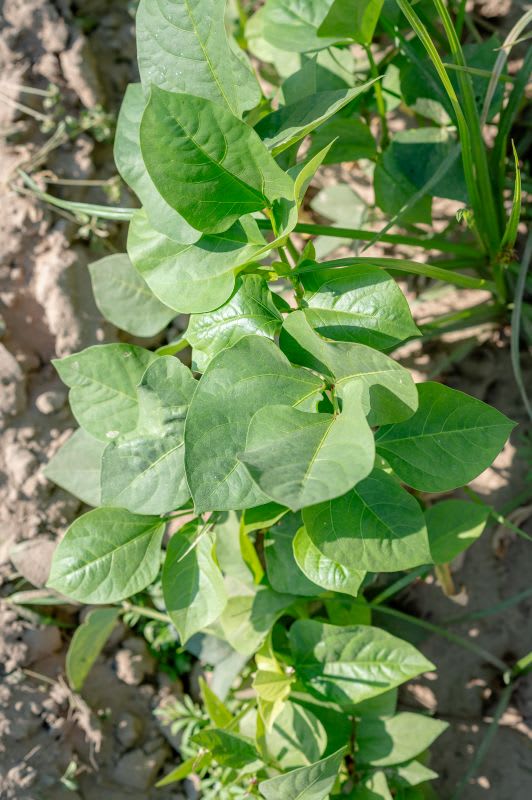
J.T. Harris noted another tradition involving the cowpea: At the beginning of a new year, he said, “ladies will place a single cowpea in their purses and men will place a single cowpea in their wallets as a ‘good luck charm.’ However, the real reason the tradition developed goes back to the former days of black enslavement. Parents would always tell their kids to keep a seed ‘for good luck’ but in reality, they wanted them to have a seed to plant in case they were suddenly on the run due to war, poverty, or some other peril.”
"Take Care of the Land"
Today, Rev. J.T. Harris and his wife, Regina, live on 26 acres near Carthage, TX. For nearly 50 years, J.T. has been the pastor of Bethlehem Baptist Church in Carthage, founded by former slaves in 1868. He was ordained in 1974 and received a Master of Religious Education (MRE) in 1980 from the Baptist Missionary Theological Seminary in Jacksonville, TX. In 2010, he received a Doctor of Divinity degree from the the Inter-Baptist Theological Seminary, Shreveport, La. in recognition of his service to the church.
“I’ve been called to churches in bigger cities. I think to live in a city, I’d just wither and die. I gotta stay close to the earth, to the ground,” he said.
Key Takeaways
- Cowpeas (Vigna unguiculata) were domesticated in West Africa more than 4,500 years ago (2500 BCE).
- By 400 BCE, the crop had spread widely, to sub-Saharan Africa, Southeast Asia, the Meditteranean, and India.
- Cowpeas are inextricably tied to the history of enslaved Africans in the American South.
- Cowpeas are incredibly hardy, drought resilient, nutrititious, and versatile.


