


With a little planning and space, you can grow greens all year 'round – even if you don’t have a fancy hydroponic set-up at home.
First, some considerations about your growing set-up.
Temperature: Most indoor living environments should be adequate for indoor cultivation. Cool season crops like a temperature range of 65 to 75 F, which is probably pretty close to most people’s comfort zones.
Watering: Keep in mind that the modern conveniences that keep us comfortable – heating and air conditioning – can make indoor plants dry out more quickly. Here are a few rules of thumb for watering:
- Use the ‘finger test’ to check the soil moisture. Stick a finger into the soil at least one inch. Water if it’s dry.
- Lift the pot. If it feels much lighter than usual, give your plant a drink!
- Observe the soil color. If it’s lighter in color, it’s probably time to water.
- Bottom water plants by putting the pots in a tray of water to hydrate the roots evenly. Take them out when the top layer of soil feels moist to the touch.
- Maintain humidity by grouping plants together, using pebble trays, or running a small humidifier for crops such as basil that prefer higher air moisture.
Light: This is the tough one. The right light, at the right time, is key to indoor growing.
- South-facing windows provide the most sunlight. Leafy greens and herbs should like it there.
- East- or west-facing windows are good for partial-shade crops like peas or lettuce.
- Full-spectrum LED grow lights may be the best bet for delivering consistently good light. Position them 6 to 12 inches above the plants and keep them on for 12 to 16 hours daily.
- And don’t forget to turn, turn, turn! Give your potted plants a turn toward the light source every week or so to expose all sides of the plant to light.
Fertility:
Since the soil nutrients and plants’ roots are constrained by space, make sure to provide food at regular intervals.
- Apply balanced, organic liquid fertilizers such as fish emulsion or seaweed extract every two to four weeks during the plant’s active growth.
- Slow-release pellets provide steady nutrition for longer periods.
- Avoid over-fertilizing, which can lead to salt buildup and damage plant roots. Light feeding (quarter strength) every two to four weeks keeps leaves producing. Don’t overfeed herbs – the flavor diminishes, and growth gets leggy.
Check out our recent blog post on indoor growing for more tips and ideas.
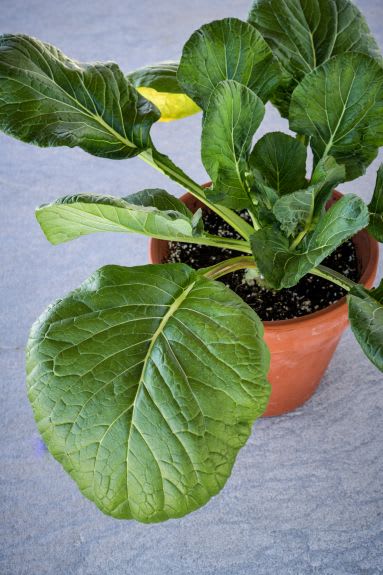
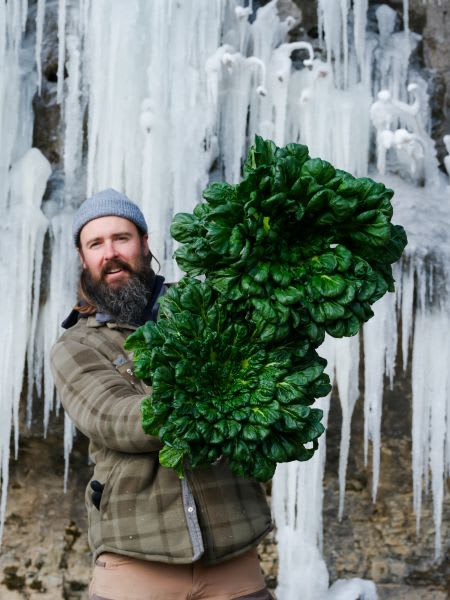
Greens to Grow Indoors
Lettuce
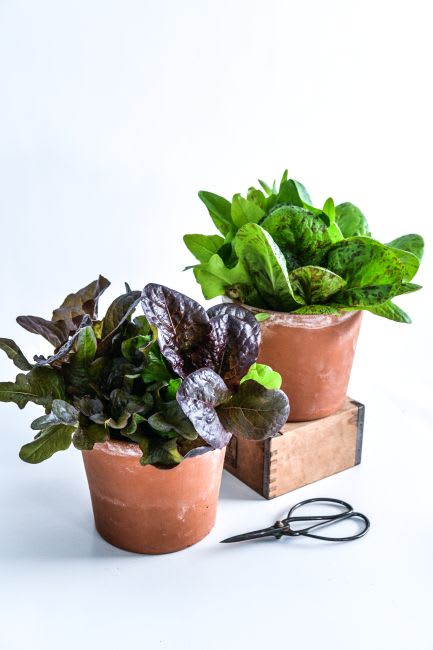
Almost any variety of lettuce can be grown indoors in shallow pots. Here are a couple to try.
Lava Lamp romaine is a groovy throwback to the 70s, with colors that swirl and shift in vibrant waves and a chilled-out, elongated head. This new-for-2026 variety was bred by the legendary Frank Morton of Wild Garden Seeds in Oregon. It’s more than just food; it's a work of botanical pop art!
Heirloom Cutting Mix is a classic, eye-catching blend of leaf and head lettuce varieties that will brighten any winter salad bowl. It gets high marks from customers who love the flavor, color, and easy growing nature of this mix.
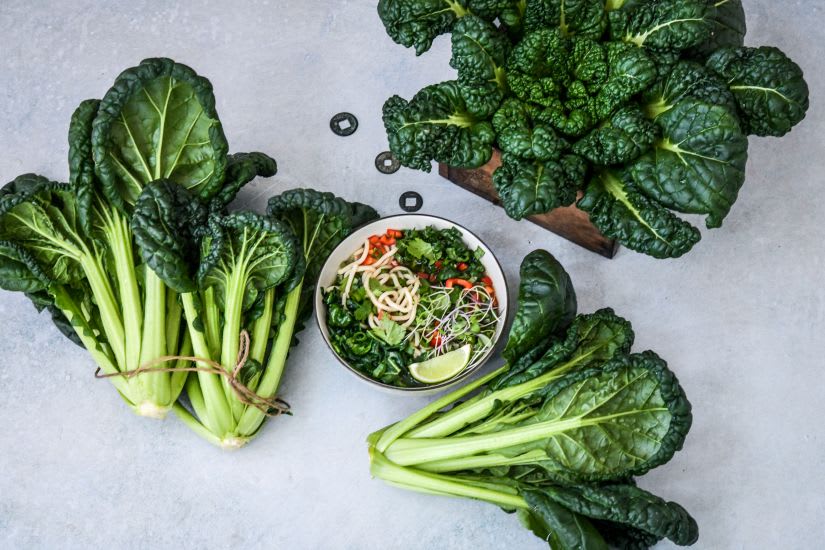
Bok Choy
Smaller varieties of bok choy, such as Baby Milk, Hedou Tiny, and the colorful Purple Lady are top-notch choices for indoor growing, and they offer quick production in shallow trays or pots.
Komatsuna
If you’re looking for a mustard green with the mild flavor of spinach and the nutritional power of mustard, we’ve got you covered. In its native Japan, komatsuna has earned superfood status for its mild, tender leaves packed with vitamins A and C, as well as vitamin K, folate, calcium, and iron. Grow this cut-and-come-again green in a pot at least six inches deep.
Tatsoi
Tatsoi is one of our favorite greens at Baker Creek, recommended for its mild flavor, deep green color, and incredible nutritional value! The low-growing rosettes and spoon-shaped leaves are easy to cultivate and thrive in shallow pots indoors. It is ideal as a cut-and-come-again type of vegetable. Remove the lower leaves as they reach a decent size, and the plant will continue to produce.
Chijimisai
Chijimisai is a cross of between tatsoi and komatsuna – combining the best of both into a hardy Asian green you’ll never want to be without! Chijimisai is both heat and cold tolerant, making it a candidate for year-round growing in many places, but it does equally well indoors. Give this one room to put down roots by using a pot at least six inches deep. Great for cut-and-come-again harvesting.
Grow More than Greens Indoors!
No need to limit your indoor growing to leafy greens. Baker Creek also offers some terrific pint-size versions of popular vegetables!
Snap Peas:
Sugar Bon Snap pea is a dwarf variety that produces sweet peas and crunchy edible pods. The 1- to 2-foot plants are both tidy and prolific, ideal for indoor gardening or outdoors in small spaces. These are great for snacking, salads, and stir fries.
Dwarf Tomatoes :
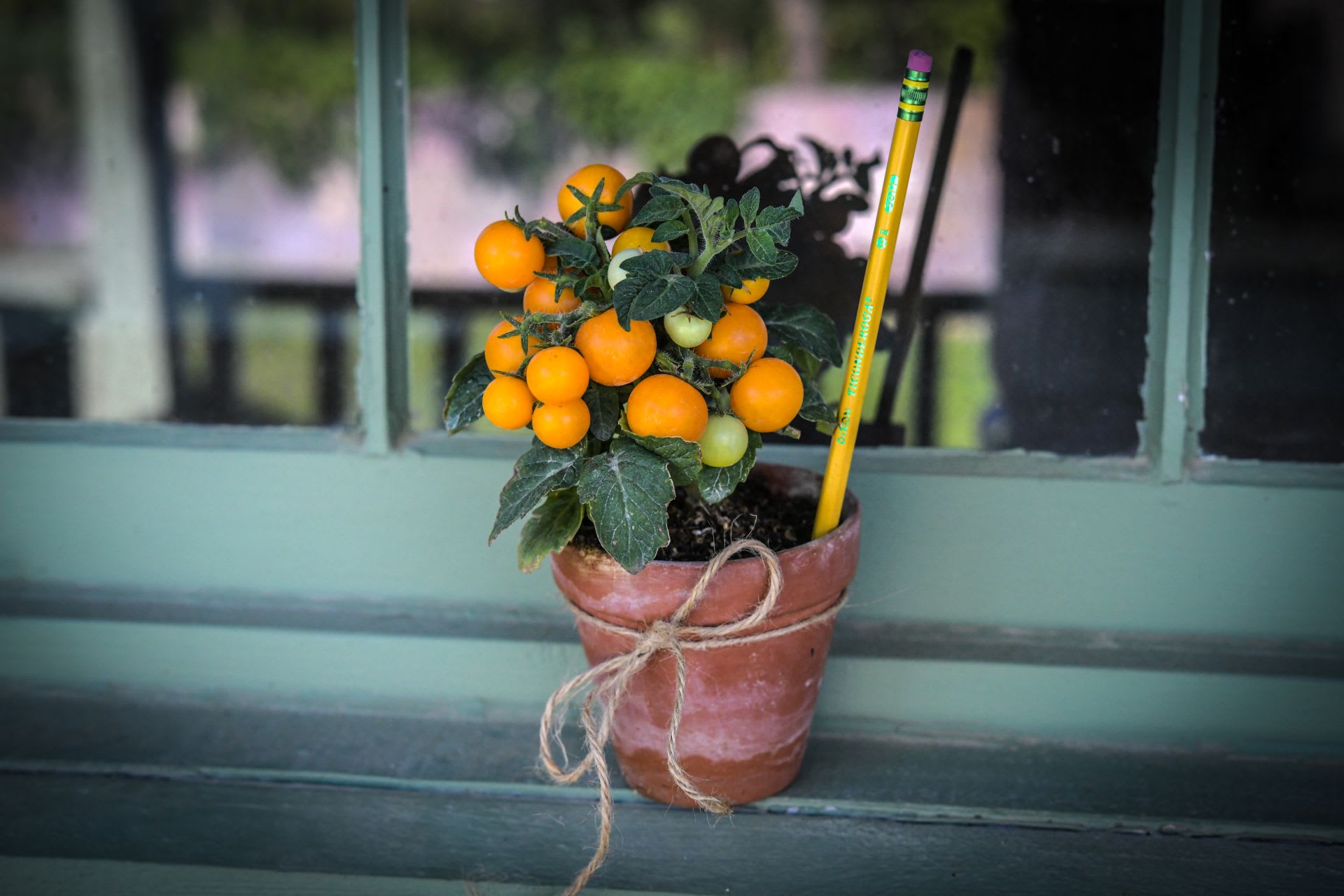
With their diminutive stature and small fruit, Orange Hat and Gourmandise micro-tomatoes work well indoors and provide tasty tomatoes for winter salads.
Key Takeaways
- Cool season crops like greens and peas generally like temperatures in the 65 to 75 F range, which is like most indoor environments.
- Keep in mind that modern conveniences like central heat can remove moisture from the air and dry out indoor plants more quickly. Test the soil moisture regularly and water when needed.
- Many greens will do well in a sunny, south-facing window, but consider investing in a full-spectrum LED lighting system for consistency.
- Provide fertilizer at regular intervals but take care not to overfeed, which can damage the plants.
About the Author
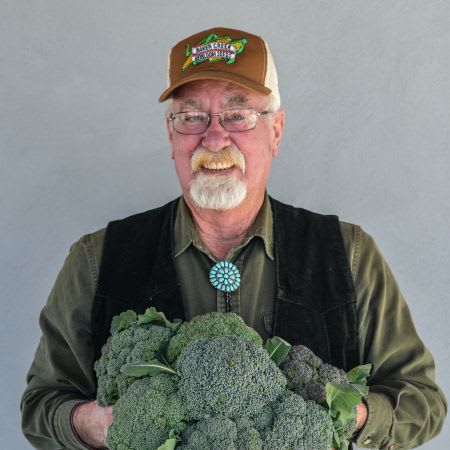
Visitors to Baker Creek’s Mansfield, MO, seed store may know John Lenz as an affable and loquacious storekeeper, but he is also a horticulture expert who oversaw our greenhouse program during a time of rapid expansion. He has a degree in horticulture from New Mexico State University and an MBA from St. Leo University in Florida. Stop in and say hello if you are visiting our Mansfield, MO, location!
You can always email your gardening questions to seeds@rareseeds.sbs. Put "hort question" in the subject line, and John or someone else on the horticulture team will get back to you.


