Agastache Seeds,
White Liquorice

SKU #HB359 · 50 seeds
Price
Regular price $3.75
Regular price $0.00 Sale price $3.75
Save $-3.75
/

FREE U.S. SHIPPING, 2-YEAR GUARANTEE


Description

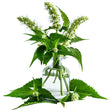
(Agastache rugosa). Completely Tall, graceful plants reach about 3 feet, sending up white flower spikes rich in nectar that fill the air with a sweet minty aroma from summer into autumn. Blooming the first year, this hardy perennial thrives in zones 4–8 and draws bees and pollinators in abundance. Both leaves and flowers brew into a soothing herbal tea, blending beauty with practical use. A strong, dependable presence in beds, borders, and pollinator plantings, offering both fragrance and function.

Plant Details

Botanical Name
Agastache rugosa
Life Cycle
Perennial
Sun Requirement
Full sun
Days to Germinate
14–21
Days to Maturity
90–100
Planting Depth
Surface sow
Plant Spacing
12 in.
Ideal Temperature
60–90°F
Frost Hardy
Yes

Growing Guide

When to Grow

Start seeds indoors 8 to 10 weeks before the last expected frost date for the best chance of first-year bloom, or direct sow outdoors in early spring once soil can be worked. Seeds require light to germinate and should be surface sown without covering. Cold stratification of two to four weeks may improve germination rates. As a hardy perennial in Zones 4–8, established plants will return reliably each season without replanting. If you're not sure how to find your first and last frost dates, consult our blog post Our Experts Answer Questions, Share Resources.

How to Sow and Plant

Surface sow seeds by pressing them lightly into moist, well-drained soil without covering. Agastache rugosa is adaptable to a range of soil types but performs best in moderately fertile, well-drained conditions. Space transplants or thin seedlings to 18 to 24 inches apart to allow for the plant's full, upright mature habit. Plants tolerate a range of soil pH levels and do not require heavily amended or overly rich soils to perform well.

How to Grow

White Liquorice is a low-maintenance, drought-tolerant perennial once established, requiring only moderate watering and minimal fertilization. It thrives in full sun but tolerates partial shade, particularly in hot summer climates. Cut plants back by one-third after the first flush of bloom to encourage a second wave of flowers later in the season. Leave stems standing through winter to provide pollinator habitat and insulation, then cut back to the ground in early spring before new growth emerges. Plants self-sow readily and will naturalize over time. 

How to Save Seeds

White Liquorice produces small seeds in clusters along the dried flower spike, typical of the Lamiacae family.

  • Allow a few flower spikes to dry fully on the plant at the end of the season
  • Harvest seed spikes by cutting and placing in a paper bag to capture any that fall
  • Dry thoroughly in a cool, well-ventilated location before cleaning
  • Store cleaned seeds in a sealed, labeled container in a cool, dry, dark place for up to 3 years

FAQ

How does White Liquorice differ from other Agastache rugosa varieties?

White Liquorice agastache produces pure white flower spikes rather than the lavender-purple blooms typical of the species, offering a softer, more neutral color that pairs beautifully with other garden plants while sharing all the same fragrance and pollinator appeal.

What does White Liquorice taste and smell like?

The foliage and flowers have a sweet, minty aroma with anise and licorice undertones characteristic of Agastache rugosa. Both can be used fresh or dried to brew a naturally fragrant and flavorful herbal tea.

Will White Liquorice spread in the garden?

Yes—plants self-sow readily and will naturalize over time. Deadheading spent flower spikes will limit spreading, while allowing a few to go to seed encourages a healthy, expanding planting.

Browse our full range of hyssop and agastache seeds.
Customer reviews

No reviews yet — be the first to share how it grew for you.