Amaranth Seeds,
Juana's Orange

2.52 ReviewsSKU #AM143 · 100 seeds
Price
Regular price $3.50
Regular price $0.00 Sale price $3.50
Save $-3.50
/

FREE U.S. SHIPPING, 2-YEAR GUARANTEE


Description

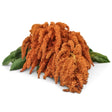
(Amaranthus cruentus). Warm orange tones mark this grain variety revived by Maya communities in Baja Verapaz after nearly being lost. Named for Juana, whose family preserved it, the plant produces nutrient-rich grain high in vitamins and minerals. Each planting supports ongoing seed-saving work. A meaningful crop that blends nourishment, history, and cultural resilience. We donate 100% of the proceeds of each sale of this item to Qachuu Aloom, a Guatemalan seed saving organization.

Plant Details

Botanical Name
Amaranthus cruentus
Life Cycle
Annual
Sun Requirement
Full sun
Days to Germinate
3–10
Days to Maturity
90–110
Planting Depth
⅛ in.
Plant Spacing
12–15 in.
Ideal Temperature
65–85°F
Frost Hardy
No

Growing Guide

When to Grow

Start seeds indoors 4 to 6 weeks before your last frost date or sow directly outdoors when soil is warm and danger of frost has passed. This variety thrives during the warmest months. If you’re not sure how to find your first and last frost dates, consult our blog post Our Experts Answer Questions, Share Resources.

How to Sow and Plant

  • Amaranth is a warm-weather crop that needs soil temperatures of 65-75 F to germinate.
  • Surface sow seeds directly in the garden and cover with a very fine layer of soil.
  • Seeds germinate in 3-4 days.
  • Thin seedlings to 18 inches apart.

How to Grow

  • Amaranth grows best in moist, well-drained soil, but it will tolerate poor soil quality and drought.
  • Amaranth thrives in full sun and will grow to be 5 to 8 feet tall in ideal conditions.
  • Can be planted in rows or used as a natural trellis for beans or used in place of corn in a Three Sisters garden.
  • Harvest when you can gently shake seeds from the flower stalk.

PESTS/SPECIAL CONSIDERATIONS

  • Keep up with weeding around young seedlings. Once plants become well established, they will be able to outcompete weeds.
  • Flea beetles can be a nuisance to amaranth when seedlings are young and tender; try covering seedlings with floating row cover until plants have reached 2 feet tall and can better handle insect damage.
  • For extreme flea beetle infestations, apply diatomaceous earth or kaolin.

How to Save Seeds

  • Allow seed heads to dry completely on the plant
  • Clip and store heads in a dry, well-ventilated space, or in a paper bag indoors
  • Rub seed heads gently to release seeds
  • Use a fine screen or winnow to remove chaff
  • Store seeds in a cool, dry location for future planting

FAQ

Browse our full range of amaranth seeds.
Customer reviews

2.5 / 5 2 Reviews