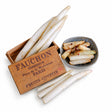
Asparagus Seeds,
Precoce D'Argenteuil
FREE U.S. SHIPPING, 2-YEAR GUARANTEE
Description
(Asparagus officinalis). Elegant spears topped with soft rose-tinged buds bring refined beauty and flavor to this classic French heirloom. Favored by European chefs since the late 1800s, it produces reliably and offers exceptional culinary quality. The spears can be blanched to create delicate white asparagus, adding versatility in the kitchen. A time-honored variety that blends steady production with gourmet appeal, making it a natural choice for those who appreciate both tradition and taste.
Plant Details
- Botanical Name
- Asparagus officinalis
- Life Cycle
- Perennial in zones 3–8
- Sun Requirement
- Full sun
- Days to Germinate
- 10–21
- Planting Depth
- 1/2 inch (seeds); 6–8 inches (crowns)
- Plant Spacing
- 12–18 in.
- Ideal Temperature
- 60°F to 85°F
- Frost Hardy
- Yes
Growing Guide
When to Grow
How to Sow and Plant
How to Grow
How to Save Seeds
FAQ
How long before I can harvest asparagus grown from seed?
You can harvest asparagus three years after sowing seeds. Let plants grow undisturbed for 2 years to become established, and avoid the temptation to cut until the third year, taking the shoots with a sharp knife when they are less than 10 inches tall. Precoce D'Argenteuil is a classic French heirloom known for its early yields and rich flavor, with rose-tinged buds that can be blanched white; it has been a favorite of chefs since the late 1800s.
How do I start the seed?
Start seeds in a warm, sunny location 2 to 3 months before the last frost of the spring, sowing 1/2 inch deep and 2 inches apart in loose, well-drained soil. Hold the flat at 65 to 75 F and allow 14 to 21 days for sprouts. Transplant seedlings outdoors 6 inches apart once the threat of frost has passed, then move them to their final full-sun bed in early fall or the following spring, 12 to 18 inches apart in rows 3 to 4 feet apart, setting the crowns 6 to 8 inches deep.
What are the red berries on Precoce D'Argenteuil for?
When plants go to seed they produce red berries, and they are used for seed saving: squeeze the seeds into a bowl, rinse them gently with water, air dry, and refrigerate over winter to cold stratify. Asparagus is dioecious, so only female plants set berries, and it is insect-pollinated and outcrossing, so seed saved where other asparagus grows nearby will not come true to this variety; isolate the planting or expect variable seedlings. The seeds are poisonous, so do not eat them.