Basil Seeds,
African Nunum

3.937 ReviewsSKU #HB285 · 100 seeds
Price
Regular price $4.00
Regular price $0.00 Sale price $4.00
Save $-4
/

FREE U.S. SHIPPING, 2-YEAR GUARANTEE


Description

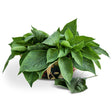
(Ocimum gratisimum). This large, sumptuous basil from Ghana delivers a rich basil flavor layered with hints of oregano and a gentle spicy kick. Popular in African and Asian cooking, it is especially prized for pesto but also shines in soups, pastas, vinegars, jellies, and more. Long valued in traditional medicine and even clinically evaluated for antibacterial qualities, it offers more than just kitchen talent. Grown for us by Solomon Amuzu, it brings together flavor, vigor, and a strong tie to Ghana’s basil heritage.

Plant Details

Botanical Name
Ocimum gratissimum
Life Cycle
Annual
Sun Requirement
Full sun
Days to Germinate
6–10
Days to Maturity
60–75
Planting Depth
¼ in.
Plant Spacing
14 in.
Ideal Temperature
70–85°F
Frost Hardy
No

Growing Guide

When to Grow

Start seeds indoors 4-6 weeks before the last frost date in your region. Once nighttime temperatures consistently stay above 50 F, transplant seedlings outdoors. In warmer climates, seeds can be directly sown into the garden after the last frost. African Nunum basil thrives during the hot summer months and may struggle in cooler or wet conditions. Check your local region’s frost dates to determine the best planting time. Learn about your area’s hardiness zones and first/last frost dates in our blog post ‘Our Experts Answer Questions, Share Resources'

How to Sow and Plant

Sow African Nunum basil seeds 1/4 inch deep in seed trays or directly in the garden once all frost danger has passed. For indoor starts, use a seed-starting mix and keep the soil temperature between 70 to 85°F during germination. Space seedlings about 14 inches apart to allow for airflow and healthy growth.

How to Grow

African Nunum basil is easy to care for. It grows well with consistent watering, keeping the soil moist but not waterlogged. Enrich the soil with compost or use a balanced fertilizer every 2 to 4 weeks to encourage better growth. Prune the plant regularly by pinching off the top leaves to delay flowering and encourage a bushier shape. This variety is drought-tolerant but performs best when watered consistently. Protect against pests like aphids and spider mites using organic pest control methods such as neem oil.

How to Save Seeds

  • Flower heads mature progressively from the bottom of the stem to the top.
  • When the bottom seed head starts to turn brown, the stem can be cut and allowed to dry away from direct sun in a well-ventilated area.
  • Rub dried raceme over a fine wire mesh and winnow off the chaff.
  • Place chaff in a bowl and carefully swirl contents around. Seeds will gather at the bottom of the bowl.
  • Tip the bowl so that the chaff can be discarded and blow the rest out carefully.

FAQ

How do I harvest African Nunum Basil?

Begin harvesting leaves when the plant is about 6 to 8 inches tall. Snip leaves or stems just above a set of leaves to encourage new growth and prolong the plant's productivity.

Does African Nunum Basil require frequent fertilization?

While it is a hardy plant, occasional feeding with a balanced fertilizer or compost every 2 to 4 weeks will improve its growth and leaf production. Avoid over-fertilizing, as it can diminish the intensity of the flavor.

How do I use African Nunum basil?

It is often used in African and Asian cuisine to flavor soups, stews, and curries, and it also makes a fine pesto, giving a peppery twist on the classic Italian version.

Browse our full range of basil seeds.
Customer reviews

3.9 / 5 37 Reviews

What gardeners are saying

  • Oregano-like flavor: Spicy, earthy and clove-like; good in stews, soups and on pizza.

  • Heads up: Many expected pesto basil; it tastes closer to oregano.

  • Thrives in heat: Needs warm soil to sprout, then takes off once summer heats up.

  • Grows into a shrub: Reaches four to seven feet; give it ground or a very big pot.

  • Tough and pest-free: Few pests or disease, and it reseeds freely where it likes.

More to grow!

See all Basil Seeds