Basil Seeds,
Persian

4.626 ReviewsSKU #HB207 · 100 seeds
Price
Regular price $3.50
Regular price $0.00 Sale price $3.50
Save $-3.50
/

FREE U.S. SHIPPING, 2-YEAR GUARANTEE


Description

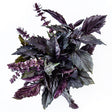
(Ocimum basilicum). Known as Reyhan throughout southwestern Asia, this basil offers a fresh lemony aroma touched with spice and an old, well-traveled culinary heritage. Its fragrance and flavor fit beautifully into soups, salads, rice dishes, and tea, where its citrus-spice edge comes through clearly. Nutritious and full of character, it brings brightness without overpowering the dish. A distinctive basil with a clear regional identity and everyday versatility.

Plant Details

Botanical Name
Ocimum basilicum
Life Cycle
Annual
Sun Requirement
Full sun
Days to Germinate
6–10
Days to Maturity
60–75
Planting Depth
¼ in.
Plant Spacing
8–12 in.
Ideal Temperature
70–85°F
Frost Hardy
No

Growing Guide

When to Grow

This heat-loving herb should be grown only after the last frost has passed and nighttime temperatures consistently stay above 50 F. For most regions, this means planting in late spring or early summer. Persian basil prefers temperatures between 70-85 F. To determine the best planting time for your area, refer to your local area's frost-free dates. If you're unsure of your last frost date, consult our blog post 'Our Experts Answer Questions, Share Resources.'

How to Sow and Plant

Start Persian basil seeds indoors 4 to 6 weeks before your area’s last frost date. Sow seeds about 1/4 inch deep in a well-draining seed-starting mix, keeping the soil evenly moist. Maintain a warm temperature of 70 to 85°F for germination, which usually takes 6 to 10 days. Transplant the seedlings outdoors after the soil has warmed and frost danger is gone. Space plants 8 to 12 inches apart. The seeds may also be sown in place in long-summer areas Thin out seedlings as needed to allow proper air circulation and growth.

How to Grow

Persian basil requires consistent watering, but it is important to avoid overwatering, as the plant doesn’t tolerate soggy soil. Water at the base of the plant to keep leaves dry and reduce the risk of fungal diseases. Mulching around the base helps retain soil moisture and prevents weed growth. To maintain productivity, pinch off flower buds as they develop to prevent the plant from going to seed. For the best flavor, harvest leaves in the morning after the dew has dried but before the heat of the day. Persian basil also performs well in containers, making it a great option for patios or balconies.

How to Save Seeds

  • Flower heads mature progressively from the bottom of the stem to the top.
  • When the bottom seed head starts to turn brown, the stem can be cut and allowed to dry away from direct sun in a well-ventilated area.
  • Rub dried raceme over a fine wire mesh and winnow off the chaff.
  • Place chaff in a bowl and carefully swirl contents around. Seeds will gather at the bottom of the bowl.
  • Tip the bowl so that the chaff can be discarded and blow the rest out carefully.

FAQ

Can I grow Persian basil in containers?

Absolutely. Its bushy growth makes it perfect for containers. Use well-draining soil and ensure the pot has good drainage holes.

How to use Persian basil in cooking:

This basil's spicy-sweet flavor with a hint of licorice is perfect for salads, teas, marinades, and Mediterranean or Middle Eastern cuisine.

How can I encourage bushier growth in Persian basil?

Pinch off the growing tips and flower buds regularly, and harvest frequently. This stimulates the plant to produce new branches and maintain a dense, bushy shape.

Browse our full range of basil seeds.
Customer reviews

4.6 / 5 26 Reviews

What gardeners are saying

  • Complex, spicy flavor: Peppery, anise-licorice notes; brighter than sweet basil.

  • Purple-tinged foliage: Striking green and plum leaves; lovely in beds and bouquets.

  • Pollinator magnet: Bees, butterflies, and hummingbirds crowd the flowers.

  • Heat and drought tough: Takes heat, poor soil, and neglect; pests leave it alone.

  • Easy germination: Germinates fast and reliably; direct sow or start indoors.

More to grow!

See all Basil Seeds