Runner Bean Seeds,
Black Coat

421 ReviewsSKU #RB103 · 15 seeds
Price
Regular price $4.50
Regular price $0.00 Sale price $4.50
Save $-4.50
/

FREE U.S. SHIPPING, 2-YEAR GUARANTEE


Description

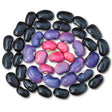
(Phaseolus coccineus) Pole bean. Blazing tangerine-to-cherry red blooms light up tall vines, drawing hummingbirds in droves and turning the garden into a living color show. First recorded in the mid-1600s by German botanist Michael Titius, this rare, ancient runner bean delivers both beauty and substance. Young pods are tender and tasty like green beans, while mature seeds shift from pink to purple to a rich, glossy black, cooking up creamy and satisfying like a classic kidney bean.

Plant Details

Botanical Name
Phaseolus coccineus
Life Cycle
Annual
Growth Habit
Pole
Sun Requirement
Full sun
Days to Germinate
5–8
Days to Maturity
75
Planting Depth
1 in.
Plant Spacing
8 in.
Ideal Temperature
60–85°F
Frost Hardy
No

Growing Guide

When to Grow

Black Coat runner beans prefer mild temperatures, making them a great early-summer crop in hot areas. Plant after the last frost when the soil has warmed up. In cooler, short-season regions they can be started indoors no more than 2 to 3 weeks before the last frost date and then transplanted outside after hardening off, lifting them carefully without disturbing the roots. In mild, long-season regions, direct sowing in late spring is ideal. The beans require soil temperatures between 60-85 F to sprout, and germination typically occurs within 7-10 days​​. If you’re not sure how to find your first and last frost dates, consult our blog post 'Our Experts Answer Questions, Share Resources.'

How to Sow and Plant

To sow Black Coat runner beans, plant them 1 inch deep in rows 2-3 feet apart. Space plants 8 inches apart. If starting indoors, use peat or paper pots to minimize root disturbance during transplanting. Keep the seedlings well-watered and maintain consistent moisture to prevent drying out. Harden off the seedlings for at least a week before transplanting them outside​​.

How to Grow

Black Coat runner beans need regular watering and benefit from mulching to retain soil moisture and keep roots cool. Fertilize with a potassium-rich fertilizer once the flowers appear to enhance fruit set and overall plant health. Avoid high-nitrogen fertilizers as they promote foliage over bean production. Encourage pollination by ensuring the presence of bees or hand-pollinating if necessary​​.

How to Save Seeds

  • This is a self-pollinating bean that can on occasion be insect pollinated. To prevent crossing between different runner bean varieties, isolate by 500 feet.
  • Allow pods to brown and dry. Beans are ready for saving when they are so hard that your fingernail cannot dent them.
  • Store in a cool, dark, dry place.
  • Runner bean vines also produce a tuber that can be dug in fall and saved over winter. This can be replanted in spring and plants will establish and bloom earlier.

FAQ

How do I support Black Coat runner beans?

Use trellises, teepees, or metal arches for support. Ensure supports are sturdy and at least 8 feet tall, as the vines can run 8 to 12 feet; an arch or a fence gives them room.

What are the common pests and diseases for Black Coat runner beans?

Watch out for slugs, snails, aphids, bean rust, and bacterial blight. Use organic methods like neem oil, copper tape, and crop rotation to manage these issues.

How and when should I harvest?

Harvest the pods when they are 6-8 inches long and tender. Regular picking encourages more pod production. For seed saving, let some pods mature fully on the plant before harvesting the seeds, and grow only one runner bean variety, since bees cross runner beans readily, unlike common beans. A gap of a few hundred feet will not keep the seed pure; separating two runner bean varieties takes about a quarter to a half mile, or mechanical isolation such as caging or bagging the blossoms.

Browse our full range of runner bean seeds.
Customer reviews

4 / 5 21 Reviews

What gardeners are saying

  • Bright red blooms: Clusters of scarlet flowers cover the vines for months.

  • Hummingbird favorite: Hummingbirds and bumblebees work the flowers all season.

  • Climbs to the top: Vines race to the top of a 10-foot trellis or teepee.

  • Good young or shelled: Young pods eat like snap peas; shelled beans are tasty cooked.

  • Heads up: Sets few beans in hot summers; struggles in the Deep South.