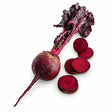
Beet Seeds,
Crosby's Egyptian
FREE U.S. SHIPPING, 2-YEAR GUARANTEE
Description
(Beta vulgaris). Crosby’s Egyptian carries a great old market-garden story. Though its name suggests ancient origins, it was actually a German type refined in the 19th century during the “Egyptomania” craze and selected by Boston farmer Josiah Crosby for smooth, flat, saucer-shaped roots that matured early and stored beautifully. That mix of novelty and usefulness made it a market favorite, and it still holds plenty of appeal today. The roots are distinctive, easy to prepare, and packed with reliable garden performance—a beet with real character, old-world charm, and staying power.
Plant Details
- Botanical Name
- Beta vulgaris
- Sun Requirement
- Full sun
- Days to Germinate
- 14–21
- Days to Maturity
- 55
- Planting Depth
- ½ in.
- Plant Spacing
- Thin to 4–6 in.
- Ideal Temperature
- 50–85°F
- Frost Hardy
- Yes
Growing Guide
When to Grow
How to Sow and Plant
How to Grow
How to Save Seeds
FAQ
Why do several seedlings come up from one Crosby's Egyptian beet seed?
Each individual beet seed is a cluster of several seeds, so more than one seedling per spot is normal and thinning will be necessary. Thin to 4 to 6 inches apart.
When should I sow and harvest Crosby's Egyptian?
Direct sow 1/2 inch deep 3 to 4 weeks before the last frost and again two weeks later, and sow again 10 to 12 weeks before the first fall frost date. This early-maturing variety is ready in about 55 days; for storage, pull the roots after a light frost when they are larger than a golf ball and store them in a cardboard box lined with sawdust in a cool, dark, dry location.
How do I keep Crosby's Egyptian roots from cracking or turning woody?
Keep plants evenly watered: uneven moisture causes cracked roots, and consistent moisture throughout the growing season prevents the roots from becoming tough and woody. Mulching can help retain soil moisture and reduce weeds. Amend the planting site with well-rotted compost, work the soil deeply, and remove rocks; beets require neutral to slightly alkaline soil.