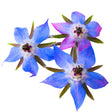
Borage Seeds,
Blue
FREE U.S. SHIPPING, 2-YEAR GUARANTEE
Description
Blue borage fills the garden with a galaxy of glittering azure stars, each bloom holding a tiny drop of nectar with the cool essence of honey and cucumber. Blooming in about 50 to 60 days, this easygoing herb has long been treasured as both a culinary and medicinal plant, believed to have Mediterranean roots and praised as far back as the first century, when Dioscorides wrote that it could “comfort the heart and purge melancholy.” Honeybees adore it, and the plants seem to hum constantly with beneficial insect life. The flowers are refreshing in salads, lovely as garnish, and wonderful for cooling teas, while the cucumber-flavored leaves can be cooked or used in drinks and herbal preparations. A bright, generous old herb that brings beauty, usefulness, and a whole lot of good garden energy. Warning: This plant is toxic to dogs, cats, and horses.
Plant Details
- Botanical Name
- Borago officinalis
- Life Cycle
- Annual
- Sun Requirement
- 6–12 hr.
- Days to Germinate
- 7–14
- Days to Maturity
- 50–60
- Planting Depth
- ¼–½ in.
- Plant Spacing
- 12 in.
- Ideal Temperature
- 60–80°F
- Frost Hardy
- Yes
Growing Guide
When to Grow
How to Sow and Plant
How to Grow
How to Save Seeds
FAQ
How deep and how far apart should I sow Blue Borage seeds?
Plant them ¼ to ½ inch deep and 12 inches apart, in a location receiving 6 to 12 hours of sun per day. At an ideal germination temperature of 60–80°F, seeds come up in 7 to 14 days.
Which parts of blue borage can I eat?
Both the flowers and the leaves. Each little edible azure flower holds a drop of nectar with the essence of honey and cucumber, and the blooms are added to salads, used as a garnish, or made into a cooling tea. The leaves, which also taste like cucumber, are cooked or made into cooling drinks and teas.
Will blue borage come back on its own?
It readily self seeds and frequently reseeds itself year after year, though it is an annual. Note that this plant is toxic to dogs, cats, and horses.