Cabbage Seeds,
Filderkraut

4.45 ReviewsSKU #CB126 · 100 seeds
Price
Regular price $4.00
Regular price $0.00 Sale price $4.00
Save $-4
/

FREE U.S. SHIPPING, 2-YEAR GUARANTEE


Description

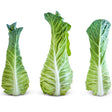
(Brassica oleracea). Far out and straight from the old country—this is the cabbage that built a reputation across generations. Filderkraut comes from Germany’s Filder plateau near Stuttgart, where since the 1700s farmers selected these towering, cone-shaped heads for unmatched sweetness and kraut-making perfection. Unlike common round types, it grows tall and pointed, packing layers of tender, juicy leaves that practically melt when cut or fermented. In southern German villages, each town once guarded its own strain, and harvest season still lives on in Filderkraut festivals where kraut is treated like an art. Shredded, it releases abundant natural sugars and juices, creating a sauerkraut that is rich, complex, and widely considered the finest in the world—sweet, never harsh, and full of old-world depth. Fresh, it’s just as impressive—crisp yet silky, mild yet deeply flavorful. Once nearly lost due to its unusual shape, it now stands preserved in Slow Food’s Ark of Taste. Under good growing conditions, heads reach 10–20 pounds, making this a true giant of both flavor and heritage. If you grow one cabbage, make it this one.

Plant Details

Botanical Name
Brassica oleracea
Life Cycle
Biennial
Sun Requirement
Full sun
Days to Germinate
7–10
Days to Maturity
70–90
Planting Depth
¼ in.
Plant Spacing
18–20 in.
Ideal Temperature
50–75°F
Frost Hardy
Yes

Growing Guide

When to Grow

Start seeds indoors about 6-8 weeks before the last expected frost date for a spring harvest. For a fall harvest, sow seeds in mid-summer, about 14-16 weeks before the first expected frost, so the big heads have time to finish before hard freezes. Filderkraut cabbage is frost-tolerant, allowing it to withstand light frosts, which makes it well-suited for spring and fall planting. It grows best in temperatures ranging from 50-75 F but can tolerate slightly cooler temperatures. If you’re not sure how to find your first and last frost dates, consult our blog post 'Our Experts Answer Questions, Share Resources.'

How to Sow and Plant

To grow Filderkraut cabbage, start seeds indoors by sowing them 1/4 inch deep in seed-starting trays. Keep the soil consistently moist and warm until the seeds germinate, usually within 7-10 days. Once the seedlings have developed 2-3 true leaves, harden them off before transplanting outdoors. Space the plants 18-20 inches apart. If you prefer direct sowing, plant seeds 1/4 inch deep in well-prepared soil and thin the seedlings to the appropriate spacing.

How to Grow

Filderkraut cabbage thrives in fertile, well-drained soil with a pH of 6.5 to 7.0. Incorporating compost or well-rotted manure into the soil enhances fertility and structure. Regular watering is important, especially during head formation, to ensure large, firm heads. The cabbage requires about 1 inch of water per week. Fertilize with a balanced fertilizer at planting and side-dress with a nitrogen-rich fertilizer every 3-4 weeks to support healthy growth. Full sun is ideal, though partial shade can help prevent bolting in hotter climates​.

How to Save Seeds

  • If you plan to save seeds, isolate plants from other members of the cabbage species (kale, collards, broccoli, Brussels sprouts and cauliflower) by up to one mile to avoid cross pollination.
  • Cabbage is biennial, blooming only after experiencing a winter's chill, and will require overwintering with heavy mulch and row cover in cool winter areas.
  • For those with very harsh winters, consider digging up and placing in a root cellar until hard frost has passed.
  • In the second season, when flowers have passed and seed pods have dried, dig up the plants and hang upside down to dry.
  • Dried pods can be placed in a sack and crushed to release seeds. Remove chaff and detritus.
  • Place seeds in a glass jar and refrigerate for up to 5 years.

FAQ

How long does it take for Filderkraut cabbage to mature?

It typically takes about 70-90 days, depending on growing conditions.

What are common pests for Filderkraut cabbage and how can I prevent them?

Common pests include cabbage worms, aphids, and slugs. Use row covers to protect young plants and apply organic pest control methods like neem oil or insecticidal soap to manage pests.

Can Filderkraut cabbage be grown in containers?

Due to its large size, Filderkraut cabbage is not typically recommended for container gardening. However, if using a container, it should be large (at least 18 inches deep and wide) and filled with nutrient-rich soil.

Browse our full range of cabbage seeds.

Also note:

Filderkraut cabbage is one of the celebrated varieties mentioned in our recent article about festivals devoted to heirloom vegetables!
Customer reviews

4.4 / 5 5 Reviews

What gardeners are saying

  • Exceptional flavor: Far better than ordinary cabbage, with a slight horseradish bite.

  • Sauerkraut favorite: Grown mostly for sauerkraut; the head shape cuts well for it.

  • Big, tight heads: Heads run 6 to 14 pounds and stay tender even when large.

  • Easy to start: Near-complete, quick germination and few pest problems.

  • Heads up: Slow to mature, and the plants take up a lot of space.