Celery Seeds,
Chinese White

3.711 ReviewsSKU #CE111 · 200 seeds
Price
Regular price $4.00
Regular price $0.00 Sale price $4.00
Save $-4
/

FREE U.S. SHIPPING, 2-YEAR GUARANTEE


Description

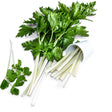
(Apium graveolens) Grown for over 800 years in Liyang, China, this snowy-white celery carries a deep culinary legacy. Long, slender, hollow stems deliver a stronger, more aromatic celery flavor than modern types, making it a favorite for soups, broths, stir-fries, and traditional mirepoix. It handles heat better than many varieties and grows with ease, offering both resilience and flavor. This is old-world celery at its finest—simple, powerful, and full of character.

Plant Details

Botanical Name
Apium graveolens
Life Cycle
Biennial
Sun Requirement
6–8 hr.
Days to Germinate
7–21
Days to Maturity
70–90
Planting Depth
⅛ in.
Plant Spacing
8–10 in.
Ideal Temperature
55–65°F
Frost Hardy
Yes

Growing Guide

When to Grow

Start seeds indoors 8-10 weeks before the last expected frost date in your area. For cooler climates, planting in late spring or early summer is ideal, while in warmer climates, early spring or fall planting is recommended. Once the seedlings have at least two sets of true leaves, they can be transplanted outdoors when the night temperatures consistently stay above 50 F​. If you’re not sure how to find your first and last frost dates, consult our blog post 'Our Experts Answer Questions, Share Resources.'

How to Sow and Plant

Sow Chinese White celery seeds about 1/8 inch deep in seed trays or pots filled with a quality seed starting mix. Maintain a temperature of around 70-75 F for optimal germination. Once the seedlings are established, thin them to ensure proper spacing. Before transplanting, harden off the seedlings by gradually exposing them to outdoor conditions. Prepare the garden bed by incorporating compost or well-rotted manure to enrich the soil and plant the seedlings about 10 inches apart.. Mulching around the plants helps conserve moisture and control weeds.

How to Grow

Regularly water the plants deeply, especially during hot and dry spells, and avoid overhead watering to reduce the risk of foliar diseases. Apply a balanced fertilizer every four weeks to promote healthy growth, but avoid excessive nitrogen, which can lead to lush foliage at the expense of flavor. Pruning yellow or damaged leaves helps redirect the plant's energy towards producing fresh foliage, and thinning ensures adequate spacing for healthy air circulation​​.

How to Save Seeds

  • Celery and celeriac are insect pollinated and should be isolated by 1 mile from each other to ensure seed purity.
  • Both plants are biennial and must either be dug and stored or be left in the ground to overwinter and flower the following spring.
  • Harvest the seeds when they have completely dried on the plant.
  • When stored properly, celery and celeriac seeds will last for 5 years or more.

FAQ

Can Chinese White celery tolerate frost?

While it can handle cooler temperatures, protect plants with frost cloths during cold snaps.

Can I grow Chinese White celery in containers?

Yes, it can be successfully grown in containers with good drainage. Ensure the containers are placed in a location that receives at least 6-8 hours of direct sunlight daily.

What pests and diseases can affect Chinese White celery?

Common pests include aphids, cabbage worms, and downy mildew. Regularly inspect the plants for signs of pests or diseases, and use organic pest control methods such as neem oil or insecticidal soap. For diseases, applying fungicides or practicing crop rotation can help prevent outbreaks.

Browse our full range of celery and celeriac seeds.
Customer reviews

3.7 / 5 11 Reviews

What gardeners are saying

  • Intense celery flavor: Strong, not bitter; prized for soups, broth and ramen.

  • Takes heat and cold: Pulls through hot summers and cool springs alike.

  • Cut and come again: Cut stalks regrow for months of harvest.

  • Growing tips: Can be slow to germinate and slow as a seedling; be patient.

More to grow!

See all Celery Seeds