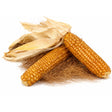
Corn Seeds,
Chapalote
FREE U.S. SHIPPING, 2-YEAR GUARANTEE
Description
(Zea mays). Carbon dating suggests this flint/popcorn may be among the oldest corn varieties grown in North America—possibly 4,000 years old—an age that still feels hard to grasp when you hold the seed. The long, slim ears fill with kernels ranging from luminous amber to dark brown, and the plant is notably drought and heat tolerant, adapted to southerly latitudes; its performance farther north remains unknown. Chapalote can be popped, or ground and used in pinole, polenta, and many other corn dishes, where the meal shows a delightful sweetness. Rediscovered in the 1950s in remote northwestern Mexico, its superior qualities have since captured the imagination and affection of archaeologists, gardeners, and chefs alike.
Plant Details
- Botanical Name
- Zea mays
- Life Cycle
- Annual
- Sun Requirement
- Full sun
- Days to Germinate
- 7–10
- Days to Maturity
- 110–120
- Planting Depth
- 1–2 in.
- Plant Spacing
- 12 in.
- Ideal Temperature
- 75–80°F
- Frost Hardy
- No
Growing Guide
When to Grow
How to Sow and Plant
How to Grow
How to Save Seeds
FAQ
Is Chapalote corn suitable for modern garden conditions?
Chapalote performs well in hot, dry climates. Its performance in northern, colder and wetter climates is unknown.
What is Chapalote corn used for?
Chapalote is a flint/popcorn type with rich, nutty flavor, traditionally popped or ground for pinole, polenta, and tortillas. Its long, narrow ears also make striking ornamental displays.
Can Chapalote corn tolerate drought?
Yes. Developed over centuries in desert regions of northern Mexico, Chapalote is notably drought-resistant, performing well even in limited rainfall conditions once established.
Browse our full range of corn seeds.