Corn Seeds,
Striped Japonica
FREE U.S. SHIPPING, 2-YEAR GUARANTEE
Description
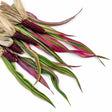
(Zea mays) Flint corn. Native American flint corn first reached Japan with Portuguese traders in the 1500s, where it was treated primarily as fodder for livestock. During Japan’s Edo period (1603–1867), the centralized government—largely vegetarian for religious reasons—discouraged meat consumption, livestock numbers fell, and the need for fodder corn plummeted, leaving the crop in relative obscurity. With the Meiji period (1868–1912), meat returned to the diet and the demand for corn rose again, and along the way it was recognized as a tasty human food as well. From that long arc came a striking ornamental: Striped Japonica, bred in Japan and introduced to America in the 1870s. In about 85 days, plants reach around six feet, with foliage developing brilliant multicolored stripes of green, white, pink, and yellow—some stalks staying green, others carrying all four colors. Wine-colored tassels and crimson-black kernels add a tropical note in borders or containers, and the sturdy stalks can even serve as a trellis for climbers like sweet pea. When dried, the kernels can be ground into a tasty meal. We worked for years to find a pure strain, as much of what was sold was badly contaminated by GMO corn, and we may now present a strain that tested Non-GMO. Japonica is a stunning treasure from historic Japan.
Plant Details
- Botanical Name
- Zea mays
- Life Cycle
- Annual
- Sun Requirement
- Full sun
- Days to Germinate
- 7–10
- Days to Maturity
- 85–95
- Planting Depth
- 1–2 in.
- Plant Spacing
- 12 in.
- Ideal Temperature
- 75–80°F
- Frost Hardy
- No
Growing Guide
When to Grow
How to Sow and Plant
How to Grow
How to Save Seeds
FAQ
Can Striped Japonica corn be eaten or is it just ornamental?
It’s both! While prized for its showy foliage, Striped Japonica produces small, colorful ears that can be ground into cornmeal or enjoyed as decorative corn once dried.
What makes Striped Japonica corn unique?
Its foliage features bold stripes of green, pink, and white—making it one of the most ornamental corn varieties. It also produces stunning dark crimson colored ears that add visual appeal to any garden.
How can I keep the foliage colors vibrant?
Ensure full sun, balanced soil nutrition, and consistent moisture. Avoid overfertilizing with nitrogen, which can reduce the distinctive striping and favor plain green leaf growth.
Browse our full range of corn seeds.