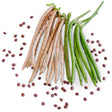
Cowpea Seeds,
Red Ripper
FREE U.S. SHIPPING, 2-YEAR GUARANTEE
Description
(Vigna unguiculata). A rugged and reliable red-seeded cowpea to replenish your soils and fill your belly. This old Southern standby, which was also formerly known as the Tory pea, dates back to the 1850s. It was especially popular in Alabama and South Carolina. Farmers of yesteryear regarded it highly for the copious foliage or organic matter it produced, making it an exemplary soil-improving companion crop to corn. Since the early 1900s, a number of seed catalogs have lauded this variety for its drought and heat tolerance. A look back through antique American catalogs, especially those from companies in the Southeastern U.S., shows that Red Ripper was a must-have on the farm as a sustainable soil builder and delicious treat. This heirloom creates long, running vines, smothered in long 12-14 inch pods that are loaded with nutritious peas, up to 18 in a single shell! The flowers are a beautiful blue color and the immature pods make a perfect green bean substitute. In its native range in Africa, the cowpea has historically been grown alongside millet and sorghum as a nurse crop to improve soil. George Washington Carver also sang the praises of this almost-miraculous soil saver. The seeds for cowpeas were brought to the Americas by enslaved Africans, and over subsequent centuries this legume has revived ravaged soils and nourished many.
Plant Details
- Botanical Name
- Vigna unguiculata
- Life Cycle
- Annual
- Growth Habit
- Pole
- Sun Requirement
- Full sun
- Days to Germinate
- 5–10
- Days to Maturity
- 80–100
- Planting Depth
- 1–2 in.
- Plant Spacing
- 4–6 in.
- Ideal Temperature
- 70–95°F
- Frost Hardy
- No
Growing Guide
When to Grow
How to Sow and Plant
How to Grow
How to Save Seeds
FAQ
Is Red Ripper a bush or vining cowpea?
Red Ripper is a vigorous vining type. It can sprawl naturally or be trained up a trellis. Its growth habit makes it especially useful for cover cropping and soil erosion control.
Can Red Ripper cowpeas improve soil health?
Yes, Red Ripper fixes atmospheric nitrogen into the soil and provides dense ground cover, suppressing weeds and improving organic matter. It’s widely used in regenerative and conservation agriculture systems.
Are Red Ripper cowpeas edible?
Absolutely. Both fresh green pods and dry red seeds are edible and nutritious. The seeds have a rich, earthy flavor and are commonly used in soups, stews, and traditional Southern dishes.
Browse our full range of cowpea seeds.