Cucumber Seeds,
West India Burr Gherkin

4.217 ReviewsSKU #CU107 · 25 seeds
Price
Regular price $3.50
Regular price $0.00 Sale price $3.50
Save $-3.50
/

FREE U.S. SHIPPING, 2-YEAR GUARANTEE


Description

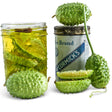
(Cucumis anguria). A super funky cucumber relative great for kids’ gardens, snacking, and pickling! Believed to be native to Africa, and introduced to the Caribbean and eventually the U.S. in the 1700s. Pickled and boiled by the colonists in Jamaica and a favorite of 3rd president Thomas Jefferson (who was known to be a lover of pickled gherkins). Very beautiful long vines and hundreds of small tasty fruit. Grows well in hot, humid weather. Yields better than any other cucumber. Will not cross with traditional cucumbers.

Plant Details

Botanical Name
Cucumis anguria
Life Cycle
Annual
Growth Habit
Vining
Sun Requirement
Full sun
Days to Germinate
7–14
Days to Maturity
60–75
Planting Depth
½ in.
Plant Spacing
18–24 in.
Ideal Temperature
75–95°F
Frost Hardy
No

Growing Guide

When to Grow

Direct sow seeds after your last frost when soil temperatures are at least 75°F. In cooler regions, start seeds indoors 3–4 weeks before transplanting outdoors. This tropical species requires warm, humid conditions to thrive and benefits from full sun and fertile soil. If you’re not sure how to find your first and last frost dates, consult our blog post 'Our Experts Answer Questions, Share Resources.'

How to Sow and Plant

Sow seeds 1/2 inch deep in well-prepared, compost-rich soil. Space plants 18 to 24 inches apart in rows or mounds. Use a trellis or fence to support vigorous vine growth and help keep fruit off the ground. Water thoroughly after sowing and keep soil consistently moist until seedlings are well established.

How to Grow

Maintain even moisture by watering deeply and regularly at the base. Apply mulch to retain soil moisture and reduce weed competition. Feed plants with an organic, balanced fertilizer every 2–3 weeks. Train vines vertically for improved fruit development. Harvest fruits when they are 1–2 inches long and bright green for best texture and flavor.

How to Save Seeds

  • Select disease-free plants for seed saving.
  • Allow fruits to fully ripen on the vine (they will turn yellow).
  • Scoop out seeds and pulp into a jar or bowl with water.
  • Ferment at room temperature for 2–3 days, stirring daily.
  • Rinse seeds thoroughly and dry on a screen or paper towel for 1–2 weeks.
  • Store in a cool, dry place in a labeled and dated airtight container.

FAQ

Are West India Burr Gherkins true cucumbers?

No, they belong to a different species (Cucumis anguria) than standard cucumbers (C. sativus), though they are cultivated and used similarly for pickling and culinary purposes, especially in warm climates.

Can I eat West India Burr Gherkins raw?

Yes. Picked young and tender they are good fresh snacking and salad fruit, which is why they are a favorite in kids' gardens. Older fruits turn tough and seedy and are better pickled or cooked.

Do West India Burr Gherkin vines need support?

Yes, providing a trellis or fence helps manage their sprawling growth, keeps fruits clean, improves air circulation, and makes harvesting easier—especially given the small size and spiny nature of the fruits.

Browse our full range of cucumber seeds.
Customer reviews

4.2 / 5 17 Reviews

What gardeners are saying

  • Hugely productive: Slow to start, then vines explode and fruit faster than you can pick.

  • Pests leave it alone: Bugs, critters and disease largely skip these vines.

  • Heat and drought tough: Keeps producing in hot, dry spells on little water.

  • Flavor divides growers: Some find it crisp and tasty, others bland and seedy.

  • Heads up: Fruits are very spiny; rub or peel the spines off before eating.