Gourd Seeds,
Serpente De Sicilia Cucuzzi (Edible)

4.434 ReviewsSKU #ED102 · 15 seeds
Price
Regular price $3.75
Regular price $0.00 Sale price $3.75
Save $-3.75
/

FREE U.S. SHIPPING, 2-YEAR GUARANTEE


Description

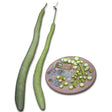
(Lagenaria siceraria). A popular Italian edible gourd. Long, slender fruit is a brilliant, light green color; very tender and delicious with a rich flavor. Italians eat these steamed, sautéed, or stuffed and baked. Many prefer it to zucchini, and it is indeed a gourmet treat. This ancient vegetable was popular in Italy, long before squash was brought there from the Americas. These are not bothered by many pests and tend to be very easy to grow.

Plant Details

Botanical Name
Lagenaria siceraria
Life Cycle
Annual
Growth Habit
Vining
Sun Requirement
8–12 hr.
Days to Germinate
3–10
Days to Maturity
75
Planting Depth
1 in.
Plant Spacing
18–24 in.
Ideal Temperature
75–90°F
Frost Hardy
No

Growing Guide

When to Grow

In long-season regions, sow seeds directly in the garden once soil temperatures reach at least 70 F. For short-season growers, start seeds indoors three weeks before the last frost to extend the growing period. If you're unsure of your last frost date, refer to our blog post 'Our Experts Answer Questions, Share Resources.'

How to Sow and Plant

Sow seeds 1 inch deep in rich, well-draining soil with plenty of organic matter. The ideal germination temperature is 75-90 F. To improve germination rates, soak seeds for 24 hours before planting. Once seedlings are strong and all danger of frost has passed, transplant them into the garden, spacing them 18-24 inches apart. Cucuzza vines grow aggressively, so provide ample space or a trellis for vertical growth.

How to Grow

Keep plants well-watered, as consistent moisture is important for growth. A thick layer of mulch helps retain moisture and suppress weeds, which can be difficult to manage once the vines spread. While Cucuzza is generally more pest-resistant than other squash relatives, it can still be affected by cucumber beetles and squash bugs. Use kaolin clay, encourage beneficial insects, and manually remove pests if needed. Since cucuzza requires strong pollination, hand-pollination may be necessary in areas with low bee activity.

How to Save Seeds

  • Gourds are easily cross-pollinated, so it is advisable to isolate different seed-saving varieties up to 1/2 mile to ensure seed purity.
  • A minimum of 15 plants of each variety should be grown to avoid inbreeding issues. Harvest fruit before it has dried out when it is still green in color but has developed a tough skin.
  • Scoop seeds to dry; they will remain viable for about 4 years when stored properly in a sealed container in the refrigerator.

FAQ

Can I eat Serpente di Sicilia Cucuzzi gourds?

Yes, it is best eaten when young and tender, before the skin hardens. It has a mild, nutty flavor, similar to zucchini.

Do I need a trellis for Serpente di Sicilia Cucuzzi gourds?

Yes, a trellis helps keep the gourds straight and prevents rot. Without support, the fruit may curl and be harder to harvest.

How do I know when to harvest Serpente di Sicilia Cucuzzi gourds?

Harvest when they are about 12-24 inches long and still tender. If left to mature fully, they will become tough and inedible but can be used for seed saving.

Browse our full range of gourd seeds.
Customer reviews

4.4 / 5 34 Reviews

What gardeners are saying

  • Vigorous climbing vines: Vines run 18 to 25 feet; give them a sturdy trellis or fence.

  • Heat and pest proof: Vine borers and squash bugs leave it alone; thrives in heat.

  • Mild summer squash flavor: Cook like zucchini; young leaves and shoots are eaten too.

  • Prolific producer: A plant or two keeps a family in squash all summer.

  • Heads up: Slow to fruit, often late summer; pick small before they toughen.

More to grow!

See all Gourd Seeds