Endive Seeds,
De Louviers

4.86 ReviewsSKU #EE104 · 300 seeds
Price
Regular price $3.25
Regular price $0.00 Sale price $3.25
Save $-3.25
/

FREE U.S. SHIPPING, 2-YEAR GUARANTEE


Description

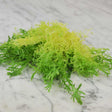
Leaves are finely curled and deeply notched. Produces a good blanched and curled, yellow heart. This heirloom is high quality and tasty. In 1885 Vilmorin said, “Bulk for bulk, it yields a larger amount of useful produce.”

Plant Details

Botanical Name
Cichorium endivia
Sun Requirement
Full sun
Days to Germinate
5–10
Planting Depth
¼ in.
Plant Spacing
12 in.
Ideal Temperature
45–75°F
Frost Hardy
Yes

Growing Guide

When to Grow

Endive thrives in cool weather and suffers in intense heat, so De Louviers is usually sown in mid to late summer to mature in cool autumn weather; in mild climates it can be grown as a winter crop. Direct sow 1/4 inch deep, thin seedlings to 12 inches apart, and expect germination in 5 to 10 days at an ideal 45-75 F.

You can also start seedlings indoors, where they are sheltered from the intense heat of summer, and set the transplants out when the heat has subsided, taking care not to let them become root bound. Give them rich, well-drained soil and good moisture.

How to Sow and Plant

  • Direct sow seeds and thin seedlings to 6-12 inches. You may also start seedlings indoors to protect them from summer’s intense heat and then set transplants out in the garden when the heat has subsided. Take care not to let seedlings become root bound.
  • Ideal germination temperature is 45-75 F.
  • Sow seeds ¼ inch deep.
  • Seeds germinate in 5-10 days.

How to Grow

  • These greens thrive in cool weather and suffer in intense heat. For that reason they are usually sown in mid-to late summer for a fall harvest. In mild climates, they can be grown as winter crops.
  • They prefer rich, well-drained soil and they require good moisture.
  • Blanching is an option if you do not want the greens to take a very bitter flavor.
  • Blanching is easy. Wait until 3 weeks from harvest date; then tie the outer leaves together at the top with twine. Be sure to avoid rot by tying leaves when they are completely dry.

PESTS/SPECIAL CONSIDERATIONS

  • Fungus can be a problem when warm weather and excessive moisture are factors.
  • To control rot, avoid overwatering or watering close to harvest time. Use drip irrigation and do not plant endive and escarole in the same garden location year after year.
  • If flea beetles are a pest in your area, cover small plants with a floating row cover to protect them from damage. .

How to Save Seeds

  • You will need to overwinter endive and escarole, as they are biennial and will take two seasons to flower and produce seed.
  • You may find that your plants bolt in the first season. Do not save these seeds; wait for the next season’s flowers.
  • Cut down flower stalks when seed pods begin to dry.
  • Place in a bag and crush the pods to remove the seeds.
  • The minimum isolation distance for endive and escarole varieties is 10-15 feet. Endive and escarole are related, but they will not readily cross with each other and can be grown side by side. They are self pollinating; therefore the chance of cross pollination is low.
  • Seeds will remain viable in refrigeration for up to 5 years.

FAQ

How do I blanch the curled yellow heart of De Louviers endive?

Blanching is the option that keeps the greens from taking a very bitter flavor, and it is easy. Wait until 3 weeks from your harvest date, then tie the outer leaves together at the top with twine. Tie them only when the leaves are completely dry, to avoid rot.

Why do my De Louviers endive plants struggle in summer?

These greens thrive in cool weather and suffer in intense heat, which is why they are usually sown in mid to late summer for a fall harvest. Starting seedlings indoors, sheltered from the heat, is a good way around it.

What problems should I watch for with De Louviers endive?

Fungus can be a problem when warm weather and excessive moisture come together. Avoid overwatering or watering close to harvest time, use drip irrigation, and do not plant endive and escarole in the same garden location year after year. Where flea beetles are a pest, cover small plants with a floating row cover.
Customer reviews

4.8 / 5 6 Reviews

What gardeners are saying

  • Easy to grow: Direct sows well and needs little care, even for beginners.

  • Slow to bolt: Holds through heat swings with some afternoon shade.

  • Tender, mild leaves: Large heads of tender, lacy leaves with little bitterness.

  • Keeps producing: Grows back quickly after cutting; plenty for salads.