Kohlrabi Seeds,
Blauer Speck

4.69 ReviewsSKU #KL107 · 400 seeds
Price
Regular price $4.00
Regular price $0.00 Sale price $4.00
Save $-4
/

FREE U.S. SHIPPING, 2-YEAR GUARANTEE


Description

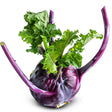
(Brassica oleracea var. gongylodes). This old German heirloom produces gorgeous, violet-blue frosted globes. The name translates to "Blue Bacon Kohlrabi," thanks to the hypnotic blue color and ultra fine-grained, buttery-flavored stems. Originally introduced in 1914, the large, flattened stems have an incredible storage life, which was of paramount importance before the advent of modern refrigeration. This old commercial variety is perfect for small farmers and backyard gardeners. Blauer Speck has small, sparse leaves, more conducive to a tight planting in order to save space in the garden.

Plant Details

Botanical Name
Brassica oleracea var. gongylodes
Life Cycle
Biennial
Sun Requirement
6–12 hr.
Days to Germinate
6–9
Days to Maturity
70
Planting Depth
¼ in.
Plant Spacing
6–8 in.
Ideal Temperature
45–80°F
Frost Hardy
Yes

Growing Guide

When to Grow

Kohlrabi is a cool-season crop, meaning it can be planted in early spring or late summer for a fall harvest. In regions with mild winters, you can also plant it in the fall for a winter harvest. For spring planting, start seeds indoors 4-6 weeks before the last frost, and transplant them after the frost danger has passed. In summer, sow seeds directly into the garden about 10-12 weeks before the first expected fall frost​. If you’re not sure how to find your first and last frost dates, consult our blog post 'Our Experts Answer Questions, Share Resources.'

How to Sow and Plant

To sow seeds, plant them about 1/4 inch deep in rows spaced 12-18 inches apart. Once seedlings emerge, thin them to about 6-8 inches apart to allow adequate space for bulb development. If starting indoors, transplant seedlings when they have 3-4 true leaves, and harden them off for about a week before moving them outdoors​.

How to Grow

Kohlrabi requires consistent moisture, so keep the soil evenly moist but not waterlogged. Fertilize lightly with a balanced, organic fertilizer or side-dress with compost during the growing season. Monitor for common pests like cabbage loopers and aphids, and protect young plants from cutworms by placing collars around the stems. Diseases such as clubroot and mildew can be managed by ensuring good air circulation and using disease-resistant varieties.

How to Save Seeds

  • Like its cabbage cousins, kohlrabi is a biennial and must be overwintered to produce seeds.
  • Kohlrabi is hardy down to 20 F. Those in areas with mild winters should have no issue keeping plants alive over winter.
  • In cooler regions, kohlrabi must be dug up and overwintered in sand in the root cellar. Kohlrabi stored this way should not be allowed to dry up and may need light watering while in storage.
  • Replant them after the last frost and allow them to go to seed.
  • Pick the seed pods after they are thoroughly dried and place them in a cloth bag. You will need to use a hammer or step on the stubborn pods to free the seeds.
  • Separate seeds from the chaff (leaf, pod, and stem trash) and store them in glass jars in the refrigerator.

FAQ

Can Blauer Speck kohlrabi be grown in containers?

Yes, kohlrabi can be grown in containers. Choose a container at least 16 inches deep and wide, and fill it with nutrient-rich potting soil.

How do I know when to harvest Blauer Speck kohlrabi?

Harvest when the bulbs are 2-3 inches in diameter for the best flavor and texture. Larger bulbs may become woody.

What are good companion plants for Blauer Speck kohlrabi?

Beets, bush beans, onions, and lettuce are excellent companions for kohlrabi, while they should be kept away from pole beans, strawberries, and tomatoes.

Browse our full range of kohlrabi seeds.
Customer reviews

4.6 / 5 9 Reviews

What gardeners are saying

  • Quick to germinate: Sprouts fast and grows with little fuss.

  • Good raw or cooked: Mild, broccoli-like bulbs, good raw in slices or chips.

  • Edible greens too: Big leaves eat like a sweet, broccoli-flavored kale.

  • Cool-season crop: Does best in the cooler months, spring or fall.

  • Heads up: Bulbs can form unevenly; expect a spread-out harvest.