Okra Seeds,
Jing Orange

4.399 ReviewsSKU #OK126 · 30 seeds
Price
Regular price $4.00
Regular price $0.00 Sale price $4.00
Save $-4
/

FREE U.S. SHIPPING, 2-YEAR GUARANTEE


Description

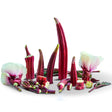
(Abelmoschus esculentus). Our favorite okra! Lovely pods are a deep reddish-orange and are quite colorful. This Chinese variety produces lots of flavorful 6- to 8-inch pods early, even in dry conditions. A  unique, beautiful and exciting variety and one of the most tender we offer.

Plant Details

Botanical Name
Abelmoschus esculentus
Life Cycle
Perennial in zones 9–10
Sun Requirement
Full sun
Days to Germinate
5–10
Days to Maturity
60–70
Planting Depth
½ in.
Plant Spacing
12–18 in.
Ideal Temperature
75–95°F
Frost Hardy
No

Growing Guide

When to Grow

Plant Jing Orange okra seeds directly in the ground after the last frost, when soil temperatures reach at least 65°F. In colder zones, it can be started indoors 4 weeks before the last frost of spring. If you’re not sure how to find your first and last frost dates, consult our blog post 'Our Experts Answer Questions, Share Resources.'

How to Sow and Plant

Soak seeds for 12–24 hours prior to planting to speed up germination. Sow seeds 1/2 inch deep, spaced 12 to 18 inches apart, with rows 3 feet apart. Select a sunny location with rich, loose soil. Keep soil evenly moist until seedlings are well established.

How to Grow

Water deeply once or twice a week depending on rainfall. Apply organic compost or balanced fertilizer regularly to support strong growth. Pick pods when they are 3–5 inches long to prevent toughness. Tall plants may benefit from staking. Remove overripe pods to promote continuous fruiting.

How to Save Seeds

  • Allow pods to mature fully on the plant until dry and brown
  • Harvest pods before they begin to split
  • Remove seeds and dry them thoroughly in a well-ventilated area
  • Store in a cool, dry place in airtight containers labeled with variety name and harvest year

FAQ

What color are Jing Orange okra pods when cooked?

Though vivid orange-red on the plant, Jing Orange pods typically lose much of their color when cooked, turning greenish. This change doesn’t affect the okra’s taste or tenderness.

Is Jing Orange okra suitable for ornamental gardening?

Yes, Jing Orange is an excellent ornamental edible with striking red stems, pods, and vibrant flowers. It adds dramatic color to borders, raised beds, and edible landscapes while remaining highly productive.

Why aren’t my Jing Orange seeds sprouting?

Low germination can result from cold or dry soil. Ensure soil temperatures are consistently above 65°F and soak seeds before planting to soften the seed coat and encourage faster sprouting.

Browse our full range of okra seeds.
Customer reviews

4.3 / 5 99 Reviews

What gardeners are saying

  • Beautiful plant: Red stems, mottled leaves and big blooms; at home in a flower bed.

  • Heavy producer: Pods grow fast; pick daily to keep up.

  • Mild, tender pods: Less slimy than green types; many eat them raw off the plant.

  • Loves the heat: Keeps producing through hot, dry summers.

  • Heads up: Some report poor germination; sow extra seed to be safe.

More to grow!

See all Okra Seeds