Onion Seeds,
Red of Florence

4.719 ReviewsSKU #ON103 · 300 seeds
Price
Regular price $3.50
Regular price $0.00 Sale price $3.50
Save $-3.50
/

Out of stock

FREE U.S. SHIPPING, 2-YEAR GUARANTEE


Description

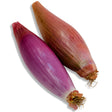
(Allium cepa). Long day (potentially intermediate). Our favorite red onion, this torpedo-shaped allium from the capital of Tuscany has a delectable, perfectly balanced flavor and grows exceptionally well indoors or outdoors at our farm in Missouri. The oblong shape makes for easier cutting and more uniform slices! The red bulbs also contain anthocyanin, a healthful antioxidant. These oblong, bright red onions are great for planting spring or fall; they are widely adapted and seem to do well in many areas. They are very mild and sweet, great for salads and pickling! A delicious Italian heirloom. Very rare.

Plant Details

Botanical Name
Allium cepa
Life Cycle
Biennial
Sun Requirement
6–12 hr.
Days to Germinate
7–14
Days to Maturity
100–120
Planting Depth
¼ in.
Plant Spacing
4–6 in.
Ideal Temperature
45–80°F
Frost Hardy
Yes

Growing Guide

When to Grow

Start seeds indoors three months before the last expected frost date in spring. Transplant acclimated, stocky seedlings into the garden 4-6 weeks before the last frost of spring, as onions can tolerate light frosts. This is a long-day type, possibly intermediate, so it does best where summer daylength reaches 14-16 hours; gardeners in the far South should treat it as a trial. If you're not sure how to find your area's day length or first and last frost dates, consult our blog post 'Our Experts Answer Questions, Share Resources.'

How to Sow and Plant

Plant seeds 1/4 inch deep in seed-starting trays or directly in the garden after the danger of frost has passed. Germination usually takes 7-14 days when soil temperatures are around 60 F. Space seedlings 4-6 inches apart, with 12 inches between rows, and amend the soil with organic compost to encourage healthy growth.

How to Grow

Feed with a balanced fertilizer or compost tea every 2-3 weeks. Keep the soil consistently moist but avoid waterlogging, which can cause rot. Use mulch to maintain soil moisture and suppress weeds. When the tops start to yellow and fall over, stop watering to allow the bulbs to cure before harvesting.

How to Save Seeds

  • Onions will cross with other onions, and occasionally they will cross with scallion types like Welsh onions and Hi Shi Ko bunching onions. Onions will never cross with leeks, chives or garlic.
  • If you are growing types that will cross, try to isolate varieties by at least several hundred feet or ideally up to one mile.
  • Onions are a biennial seed crop, so you will need to overwinter your first-year roots, ideally by digging them up and storing them for the winter. Replant in early spring, and allow onions to shoot up spikes of purple flowers.
  • Let seeds become dry on the plants. Pick seeds when they are hard and dark black, then bring them indoors to finish drying.
  • Once dry, separate the seeds from the husks or leave them on and plant them husks and all.

FAQ

Can I grow Red of Florence onions in pots?

Yes, their elongated bulbs are well-suited for container gardening, as long as they have adequate depth and space.

How do I determine day length and first-last frost in my area?

Check out our blog post: Our Experts Answer Questions, Share Resources for links to online guides.

Are Red of Florence onions good for grilling?

Yes, their shape and sweetness make them ideal for grilling whole or sliced. They are also great for salads, or other fresh dishes.

How long can I store Red of Florence onions?

Although they can be stored for a couple of months, they are best enjoyed fresh to savor their delicate flavor.

Browse our full range of onion seeds.
Customer reviews

4.7 / 5 19 Reviews

What gardeners are saying

  • Mostly mild flavor: Mild for a red onion to most; a few found it stronger than expected.

  • Slim torpedo shape: Oblong bulbs slice easily and tuck into tight garden spaces.

  • Easy from seed: Starts readily and sizes up well from seed; start indoors early.

  • Scallions and bulbs: Thin early for spring onions; the rest size up to big bulbs.

More to grow!

See all Onion Seeds