Summer Squash Seeds,
Lemon

4.3139 ReviewsSKU #SSQ102 · 20 seeds
Price
Regular price $3.75
Regular price $0.00 Sale price $3.75
Save $-3.75
/

FREE U.S. SHIPPING, 2-YEAR GUARANTEE


Description

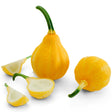
(Cucurbita pepo). The shape, size and color of a lemon, it grows great in our Missouri gardens, with huge yields and the best resistance to insects we have seen in a summer squash. Very tasty, great fried! A favorite, this is a superb market variety and very attractive. Our most popular summer squash.

Plant Details

Botanical Name
Cucurbita pepo
Life Cycle
Annual
Growth Habit
Bush
Sun Requirement
Full sun
Days to Germinate
5–10
Days to Maturity
50–60
Planting Depth
1 in.
Plant Spacing
24–36 in.
Ideal Temperature
70–95°F
Frost Hardy
No

Growing Guide

When to Grow

Plant Lemon squash seeds after the last frost date when the soil has warmed to at least 70°F. In cooler climates, start seeds indoors 2–4 weeks early and transplant outdoors once frost danger has passed. If you’re not sure how to find your first and last frost dates, consult our blog post 'Our Experts Answer Questions, Share Resources.'

How to Sow and Plant

Sow seeds 1 inch deep in fertile, well-drained soil in full sun. Space plants 24 to 36 inches apart to ensure proper airflow and reduce disease risk. If starting indoors, use biodegradable pots and transplant once seedlings have two sets of true leaves. Don’t let them become rootbound; don't disturb roots while transplanting. Maintain consistent soil moisture to support germination and early growth.

How to Grow

Water plants regularly at the base to avoid fungal diseases, especially during flowering and fruiting. Mulch around the base to conserve moisture and suppress weeds. Fertilize every 3–4 weeks with compost or organic plant food. Harvest fruits frequently when they are small and firm for the best texture and taste.

How to Save Seeds

Note that there are four different species of squash: Cucurbita maxima, C. pepo, C. moschata, and C. mixta. They will not cross pollinate with each other, so it is possible to grow one of each species for seed saving without worrying about cross pollination. If you are planning to save seeds from several varieties of the same species, you can bag the blossoms and hand pollinate to avoid crossing.

  • Allow fruit to mature completely on the vine until the skin is hard and fully yellow.
  • Cure the squash for 2–3 weeks in a dry, warm space to finish seed development.
  • Cut open the fruit and scoop out seeds.
  • Rinse seeds thoroughly to remove pulp and residue.
  • Spread seeds out to dry completely for 2–3 weeks in a well-ventilated area.
  • Store in a cool, dry, labeled container for future planting.

FAQ

What makes Lemon squash different from other summer squashes?

Lemon squash stands out with its bright yellow, lemon-shaped fruit and mild, nutty flavor. Its compact growth habit and high productivity make it a favorite for home gardeners and chefs alike.

Can Lemon squash be grown in containers?

Yes, Lemon squash’s bushy, compact form makes it ideal for container gardening. Use a 5-gallon or larger pot filled with rich, well-draining soil and place in a sunny location.

How often should I harvest Lemon squash?

Harvest every 1–2 days once fruits start appearing. Pick when squash are small and tender—typically 3–4 inches in diameter—to encourage continued production and the best eating quality.

Browse our full range of summer squash seeds.
Customer reviews

4.3 / 5 139 Reviews

What gardeners are saying

  • Nonstop producer: Once going, several squash a week per plant until frost.

  • Shrugs off squash bugs: Squash bugs and borers mostly leave it alone when other kinds fail.

  • Pick at lemon size: Harvest small; big ones turn seedy and woody and lose flavor.

  • Half bush, half vine: Climbs 5 to 6 feet or sprawls wide, so give it room or a stake.

  • Heads up: Slow to start and later than zucchini; some find the flavor mild.

More to grow!

See all Squash Seeds