Winter Squash Seeds,
Boston Marrow

4.327 ReviewsSKU #SQ221 · 20 seeds
Price
Regular price $4.25
Regular price $0.00 Sale price $4.25
Save $-4.25
/

FREE U.S. SHIPPING, 2-YEAR GUARANTEE


Description

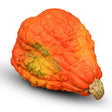
(Cucurbita maxima). Lovely 15-lb fruit is hubbard-shaped and a brilliant red-orange in color. This variety was first documented in 1831 by Fearing Burr, the author of Field & Garden Vegetables of America. This variety was first mentioned being grown by Mr. J.M. Ives of Salem, Mass. Mr. Ives had received seeds from a friend in Northampton, Mass., who had obtained his seeds from a friend in Buffalo, NY. This variety came to be grown in the Buffalo area after a tribe of Native Americans traveled through the area and distributed seed. From this historic introduction, Boston Marrow soon became one of the most important commercial squashes for 150 years. As the 21st century approached, nearly every seed company had dropped this unique treasure. In 1881, D.M. Ferry's catalog said, "Very dry, fine-grained, and for sweetness and excellence, unsurpassed; a very popular variety in the Boston market." It has rich, orange flesh that won it a place in Slow Foods' "Ark of Taste" for having superior flavor and taste!

Plant Details

Botanical Name
Cucurbita maxima
Life Cycle
Annual
Growth Habit
Vining
Sun Requirement
6–8 hr.
Days to Germinate
5–10
Days to Maturity
105
Planting Depth
½–1 in.
Plant Spacing
18–36 in.
Ideal Temperature
70–95°F
Frost Hardy
No

Growing Guide

When to Grow

Plant Boston Marrow squash after the danger of frost has passed, when soil temperatures have warmed to at least 70 F. This variety requires a long growing season of about 105 days to mature fully. In regions with shorter growing seasons, starting seeds indoors 2-4 weeks before the last frost date can give the plants a head start. Transplant them outdoors only after the soil has sufficiently warmed. If you're not sure how to find your first and last frost dates, consult our blog post 'Our Experts Answer Questions, Share Resources.'

How to Sow and Plant

Sow Boston Marrow seeds directly in the garden or start them indoors in biodegradable pots. When sowing outdoors, plant the seeds 1/2 to 1 inch deep in small mounds spaced 6-8 feet apart to allow room for the vines to spread. If starting indoors, make sure to harden off the seedlings before transplanting them to reduce transplant shock. Thin the seedlings to one or two of the strongest plants per mound after they sprout​.

How to Grow

Boston Marrow squash plants are heavy feeders and benefit from regular fertilization throughout the growing season. Start with a balanced fertilizer at planting, then switch to a high-phosphorus fertilizer when the plants begin to flower to support fruit development. Mulching around the plants can help retain soil moisture and reduce weed growth. Regular monitoring for pests like squash bugs and diseases like powdery mildew is essential to ensure a healthy crop​.

How to Save Seeds

  • There are four different species of squash: Cucurbita maxima, C. pepo, C. moschata, and C. mixta. They will not cross pollinate with each other, so it is possible to grow one of each species for seed saving without worrying about cross pollination.
  • If you are planning to grow several varieties of more than one species, you can bag the blossoms and hand pollinate to avoid crossing.
  • Whether it is a summer or winter squash, you must let the fruit completely mature before extracting the seeds, and cure for at least two weeks.
  • Scoop the seeds, place them in a bucket, and add just enough water to cover. Let sit at room temperature to ferment for two days before rinsing off the pulp.
  • Lay seeds out to dry on newspaper or paper plates.
  • Stored in a cool, dry place, seeds will remain viable for up to four years.

FAQ

Is Boston Marrow squash frost hardy?

No, it is not frost hardy. It should be planted only after the last frost in spring and harvested before the first frost in fall. Protecting the plants from unexpected early frosts is essential for ensuring they mature fully.

How much sun does Boston Marrow squash need?

Boston Marrow squash requires full sun, meaning it needs 6 to 8 hours of direct sunlight each day to thrive and produce large, healthy fruits.

How to store Boston Marrow squash?

After harvesting, Boston Marrow squash can be stored for 4-6 months if cured properly. Curing involves leaving the squash in a warm, sunny spot for about 10-14 days to harden the skin, after which it should be stored in a cool, dry place at temperatures around 50-55 F.

Browse our full range of winter squash seeds.
Customer reviews

4.3 / 5 27 Reviews

What gardeners are saying

  • Giant fruit: Squash commonly reach 15 to 40 pounds; county fair size.

  • Sweet, smooth flesh: Fine texture that makes excellent pies and soup.

  • Vigorous, sprawling vines: Vines run 15 to 30 feet; give them room or a strong trellis.

  • Few but big: Expect two to four big squash per vine; small ones often drop.

  • Heads up: Some fruit rot on the vine; cure well and use within a few months.

More to grow!

See all Squash Seeds