Turnip Seeds,
Tokinashi

540 ReviewsSKU #TN121 · 300 seeds
Price
Regular price $3.50
Regular price $0.00 Sale price $3.50
Save $-3.50
/

FREE U.S. SHIPPING, 2-YEAR GUARANTEE


Description

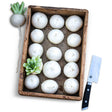
(Brassica rapa). This white turnip is a traditional vegetable of Japan and listed among the illustrious group of Dento Yasai, or traditional cultural vegetables of Japan. The father of forest gardening, Masanobu Fukuoka, grew this variety as a wild understory crop. With a reluctance to bolt or become pithy, this popular type has an incredible sweet taste and rich flavor. The roots are nice and smooth with crisp, white flesh of excellent quality. Can be planted in early spring or late summer, into fall, and enjoyed all year long! The crunchy, juicy roots are enjoyed fresh or pickled. The delicious greens provide a healthy dose of vitamin C and are among the best tasting of cooked greens.

Plant Details

Botanical Name
Brassica rapa
Life Cycle
Biennial
Sun Requirement
Full sun
Days to Germinate
4–7
Days to Maturity
50
Planting Depth
¼ in.
Plant Spacing
5 in.
Ideal Temperature
45–85°F
Frost Hardy
Yes

Growing Guide

When to Grow

Tokinashi turnips are best planted in early spring or late summer. For a spring crop, sow the seeds about 2-3 weeks before the last frost date in your area. For a fall harvest, plant them in late summer, about 8-10 weeks before the first expected frost. The cooler temperatures in fall enhance their sweetness, especially after a light frost​. If you’re not sure how to find your area's first and last frost dates, consult our blog post 'Our Experts Answer Questions, Share Resources.'

How to Sow and Plant

Sow seeds directly into the garden about 1/4 inch deep, spacing them 1 inch apart in rows that are 12-18 inches apart. Once the seedlings reach 4 inches in height, thin them to about 5 inches apart to ensure the roots have enough space to develop. Keep the soil consistently moist during the germination period, which typically takes 7-10 days. To protect seedlings from pests, consider using floating row covers​. Companion planting with radishes can also help deter some pests​.

How to Grow

Tokinashi turnips are relatively easy to grow and mature quickly, usually within 50 days. They prefer consistently moist soil, so water them regularly, providing about 1 inch of water per week. Overhead watering should be avoided to prevent fungal issues on the foliage. These turnips benefit from a balanced fertilizer application but avoid excessive nitrogen as it can lead to more leafy growth at the expense of the root​.

How to Save Seeds

To save seeds, allow the plants to flower and set seed. Once the seed pods have dried, harvest and store the seeds in a cool, dry place. Ensure that no other Brassica species are flowering nearby to prevent cross-pollination.

FAQ

Can Tokinashi turnips be grown in containers?

Yes, they can be grown in containers that are at least 8-12 inches deep. Ensure the container has good drainage and use a nutrient-rich, well-draining soil mix. Water regularly to keep the soil moist.

What are common pests for Tokinashi turnips, and how can I manage them?

Common pests include flea beetles, aphids, and cabbage root maggots. Using row covers can protect young plants, and applying diatomaceous earth around the base of the plants can help deter root maggots. Crop rotation is also recommended to prevent soil-borne diseases.

How do I prevent Tokinashi turnips from becoming woody?

Ensure that the plants are consistently watered, especially during dry periods. Harvest the turnips when they are small to medium in size, as larger roots can become woody, particularly if left in the ground too long.

Browse our full range of turnip seeds.
Customer reviews

5 / 5 40 Reviews

What gardeners are saying

  • Sweet, mild flavor: Crisp, sweet and mild raw or cooked, with no bitterness.

  • Tender greens too: Smooth, spineless leaves for salads and stewed greens.

  • Fast to harvest: Baby roots in about four weeks; full size in 50 to 60 days.

  • Easy and reliable: Nearly every seed comes up and plants shrug off frost and neglect.

  • Heads up: Flea beetles and bugs chew the tops; row cover keeps greens clean.

More to grow!

See all Turnip Seeds