Watermelon Seeds,
Ali Baba
FREE U.S. SHIPPING, 2-YEAR GUARANTEE
Description
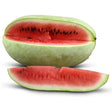
(Citrullus lanatus). Incredible flavor! We introduced this fine variety about 20 years ago after we were sent seed by Aziz Nael, an Iraqi gentleman who had collected this fantastic variety in Iraq. It is now nearly impossible to get seeds from this ancient country whose people have lost much of their genetic heritage in the long, tragic wars. The 12- to 30-pound melons have hard light green rinds that make them perfect for shipping and storage. The light color makes them resistant to sun burning. Plants are large and vigorous and give heavy yields of oblong fruit, which do well in many conditions. The flavor is superb, very sweet and luscious, and the texture is very crisp. This is a best seller and is a favorite of Dr. Amy Goldman and featured in her book Melons for the Passionate Grower. Ali Baba has received much acclaim online as “the best tasting watermelon,” and it will forever win a spot in any melon lover’s heart.
Plant Details
- Botanical Name
- Citrullus lanatus
- Life Cycle
- Annual
- Growth Habit
- Vining
- Sun Requirement
- Full sun
- Days to Germinate
- 5–10
- Days to Maturity
- 85–95
- Planting Depth
- 1 in.
- Plant Spacing
- 36–48 in.
- Ideal Temperature
- 70–95°F
- Frost Hardy
- No
Growing Guide
When to Grow
How to Sow and Plant
How to Grow
How to Save Seeds
FAQ
Can I grow Ali Baba watermelon in containers?
Due to its vigorous vine growth and large fruit size, Ali Baba watermelon is best suited to in-ground planting or large raised beds rather than containers.
How do I know when my Ali Baba watermelon is ripe?
Ripe fruits typically develop a yellow spot on the underside, the tendril nearest the fruit dries out, and the rind becomes dull. Tap the fruit for a deep, hollow sound.
Is Ali Baba watermelon resistant to drought?
Yes, this variety is known for its heat and drought tolerance, making it an excellent choice for dry, hot climates. However, consistent watering still improves fruit size and sweetness.
Browse our full range of watermelon seeds.