


With a little bit of TLC, you can get a head start on salad season and set the new year off on a healthy and delicious note!
Here are five of our favorite cold-tolerant greens that can be started indoors, or outdoors as winter-sown seedlings, in cold frames or unheated greenhouses, and even under a thick blanket of mulch. (In most cases, they can also be planted in fall and grown all winter!)
All these seeds will need good light and well-draining soil. (You don’t want the seedlings sitting in frozen, waterlogged soil.) On warmer days, you can uncover the seedlings and let them bask in the sun and warmth.
As always, you’ll want to take your own climate and growing conditions into consideration.
All of these can be started outdoors with protection in USDA hardiness zones 7 and above. If you’re gardening in a colder climate, consider winter sowing (see our recent blog post), or start them indoors.
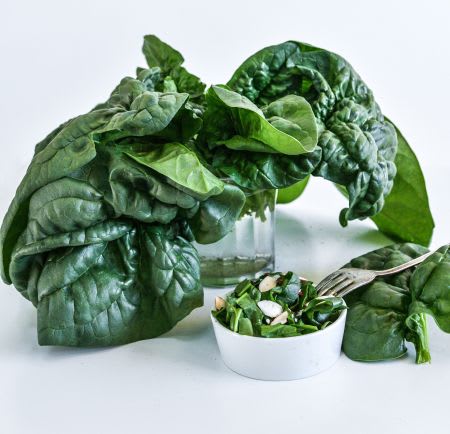
Spinach
Bloomsdale Long Standing spinach is an improved variety of spinach originally released by D. Landreth Seed Company, one of the oldest U.S. seed companies. In its 1890 catalog, Landreth said it developed Bloomsdale in 1874 from the Curled Savoy-Leaved spinach, which it had begun offering 50 years earlier.
Bloomsdale became one of the most successful commercial spinach varieties in the U.S., hailed for its savoyed leaves and heat tolerance. In 1925, Dutch breeders Zwaan and Van der Molen of Voorburg, Netherlands, introduced Longstanding Bloomsdale, bred to resist bolting even further, notes food historian William Woys Weaver.
Spinach has exceptional cold tolerance, and its flavor sweetens after a freeze. Start seeds directly under low tunnels or winter sow in containers. If starting it inside, keep things cool (45 to 60 F) to prevent bolting.
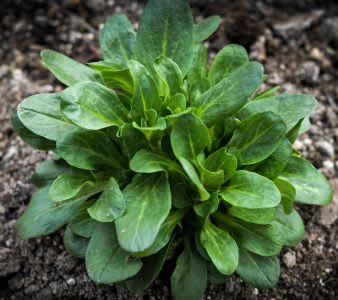
Mache (Corn Salad)
Long before it was a fashionable cool-weather green, mache (Valerianella locusta) was a wild plant foraged from grain fields and vineyards.
Brought into cultivation in the 17th century, its spoon-shaped, deeply green leaves are tender, nutty, and slightly sweet – a can’t-miss combination, especially in the deepest days of winter!
Mache is high in vitamins A and C.
Green Full Heart mache is a specialty crop of the Nantes region of France. We love it.
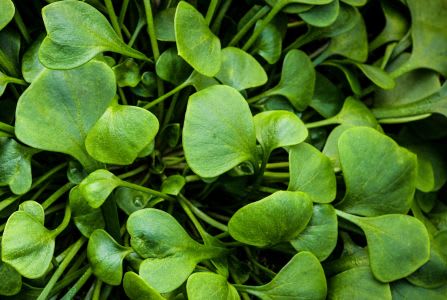
Miner's Lettuce (Claytonia)
Food historian William Woys Weaver says that during the California Gold Rush, miners resorted to this unusual looking wild herb to prevent scurvy and other diet-related illnesses, since fruits and vegetables were scarce in the mining camps. This is how Claytonia acquired its most common name.
It is native to the Western U.S., where it grows in moist, shady areas, but it has naturalized around the world after being introduced as a reliable and tasty potherb.
All parts of the plant, except for its roots, are edible.
Claytonia is a forgiving plant that will grow in a variety of soils, tolerates cold, and self-seeds generously, making it a good choice for an edible groundcover.
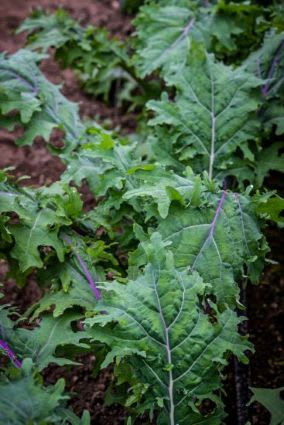
Kale
Kale is one of the hardest-working brassicas in the garden, and you can get it going in winter for an early spring harvest, provided you give it some shelter in cold climates. Some varieties can even power through temperatures as low as –10 F! Kale is a legit superfood, packed with a host of health benefits – and flavor!
Kale is an ancient form of leafy, non-heading cabbage with its origins in the eastern Mediterranean. Its first published mention in America came in 1669, in a 12-page document titled “A True Relation of Virginia and Maryland,” by Nathaniel Shrigley. In the report, which documented the natural resources and commodities of those colonies. Shrigley referred to it as “colewort.”
Russian Red kale, also known as Ragged Jack, is a highly nutritious and eye-catching heirloom variety with oak-type leaves and purplish-red stems.
Blue Curled Scotch kale is a hardy, pest-resistant kale brimming with vitamin A; its nutty, mild flavor sweetens after being exposed to frost. Blue Curled Scotch is sometimes called “Vates” kale, as it was developed at the Virginia Truck Experiment Station, or VATES, (now called the Hampton Roads Agricultural Research and Extension Center) and released in 1950.
Mizuna
“Mizuna” roughly translates to “water greens,” a reference to its succulent stems. Mizuna has a zippy flavor and delightful crunch, and it can be pickled, sauteed, or eaten fresh. There are no bad options here! Mizuna is a great crop for cut-and-come-again harvesting, and it is cold hardy and bolt resistant! Mizuna is high in vitamins A, C, and K; and folate and iron. And it's one of the varieties of Kyo yasai, a collection of traditional Kyoto vegetables grown for centuries before the Meiji Restoration, which began in 1868.
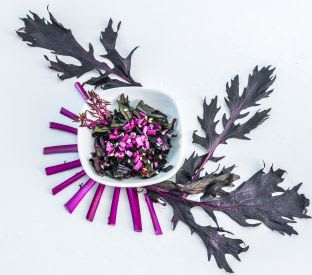
We offer a vibrant and delicious selection of this Japanese green, from the pretty Pinky Pop, with its bright pink stems, to the blazingly colorful Benigoromo, which is mild and crisp – perfect for eating fresh in salads or in sandwiches!
Key Takeaways
- In USDA hardiness zones 7 and above, January is a fine time to start cold-hardy greens outdoors in a protected environment.
- In USDA hardiness zones 6 and below, start cold-hardy greens indoors or using the winter sowing method.
- Varieties like mache (corn salad), Miner's Lettuce (Claytonia), Kale, and mizuna will do well -- and they'll be there to feed your appetite for greens in the early spring when you're ready for something fresh on your plate!
About the Author
Michelle Johnson wears a lot of hats at Baker Creek, including writer, editor, researcher, and occasional tour guide.


