


In a previous blog post, we talked about some of our favorite hardy annuals for winter sowing and offered some tips for getting started.
But it’s also a good technique for starting cool-weather vegetables, especially ones that need – or just prefer -- cold stratification to germinate.
Gardener Trudi Davidoff pioneered the concept of winter sowing in the early 2000s, and a few years later the USDA recognized it as a legitimate technique by adding it to the National Agricultural Library Thesaurus. While Trudi’s website, wintersown.org, is not currently active, a public Facebook group she helps administer is dedicated to teaching her techniques, and it is chock full of excellent advice.
Winter sowing is a low-cost, low-stress technique for seed starting, and while it’s not foolproof, it is worth giving it a go.
We should note that warm-weather crops like tomatoes and peppers just can’t hack winter sowing outdoors. They want to cozy up indoors under grow lights – and probably on a heat mat – then spend some time getting used to the outdoors when the weather gets warmer before getting transplanted.
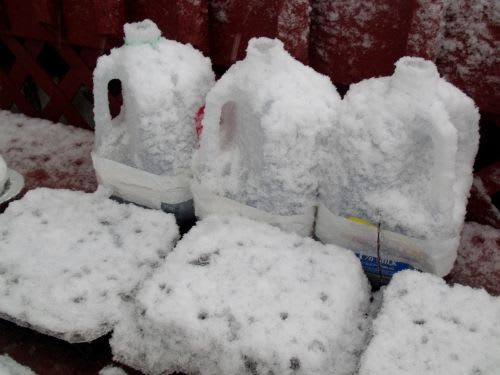
Seeds started outdoors in clear or translucent containers (they are essentially mini greenhouses) don’t require hardening off before planting because they’ve already been exposed to the weather vagaries of the outdoors.
While winter sowing isn’t tied to USDA hardiness zones, you will want to take your weather and climate into consideration as you plan. The only generally accepted rule of thumb is to begin after the winter solstice, which in 2025 is December 21. People generally start their perennials first before moving on to hardy annuals, cool-weather vegetables and herbs, and finally tender annuals. Even gardeners in warm climates can use winter sowing techniques successfully. Consistent overnight lows below 40 – 50 F is all that’s required.
One caveat: In warmer climates, you’ll want to take care that the containers aren’t getting too much heat and sun by providing a bit of shade.
In cold climates, consider providing additional protection such as mulch and floating row covers if you want to grow outdoors.
Read our previous blog post for more of the nitty gritty on winter sowing.
Our Favorite Varieties for Winter Sowing
Onions: When it comes to onions, daylength matters for proper bulb development, regardless of the seed starting method you use. Short-day types, such as the Unzen Flat, a sweet Japanese salad type, or Texas Early Grano, a sweet Spanish variety adapted to the Lone Star State in the 1930s, do best in southern regions where days are shorter.
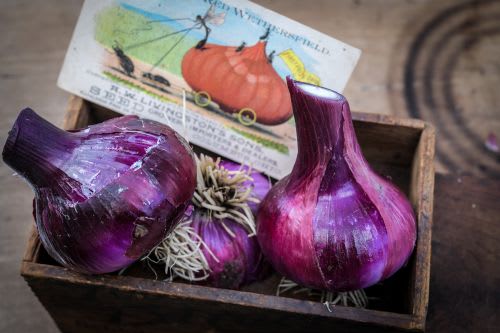
In northern regions, where the hours of daylight are greater, long-day varieties such as the Yellow Sweet Spanish or the historic Wethersfield Red are better choices.
Some varieties, such as the celebrated Japanese salad onion Akatama (“Red Jewel”) are intermediate, or daylength neutral, and will form bulbs in any zone, but they are especially suited for regions in USDA zones 5 and 6.
Broccoli:Rasmus is a stellar open-pollinated broccoli from the Swiss seed company Sativa Rheinau. In our trials, it repeatedly crushed the F1 hybrids grown alongside it for comparison, producing thick, full heads spanning seven inches. As a bonus, you’ll get a surge of tender florets sprouting from the central stem about a week after harvesting, and they will keep producing!
Beets: If the earthy flavor of red beets isn’t your thing, let us introduce you to the exceptional Wintersonne (Winter Sun) beet. It’s another stellar offering from Sativa Rheinhau, combining a sunny yellow hue with sweet flavor – a beet sweet and fetching enough to grate raw into salads, like a carrot!
Greens: What if tatsoi and komatsuna – two of our favorite Asian greens – had a baby? Well, they did, and it’s Chijimisai! This phenomenal ‘new heirloom’ was a runaway winner in the Baker Creek staff taste trials. It is hardy enough to grow outdoors year-round in many climates, but in colder ones it can be winter sown and transplanted when the weather warms up.
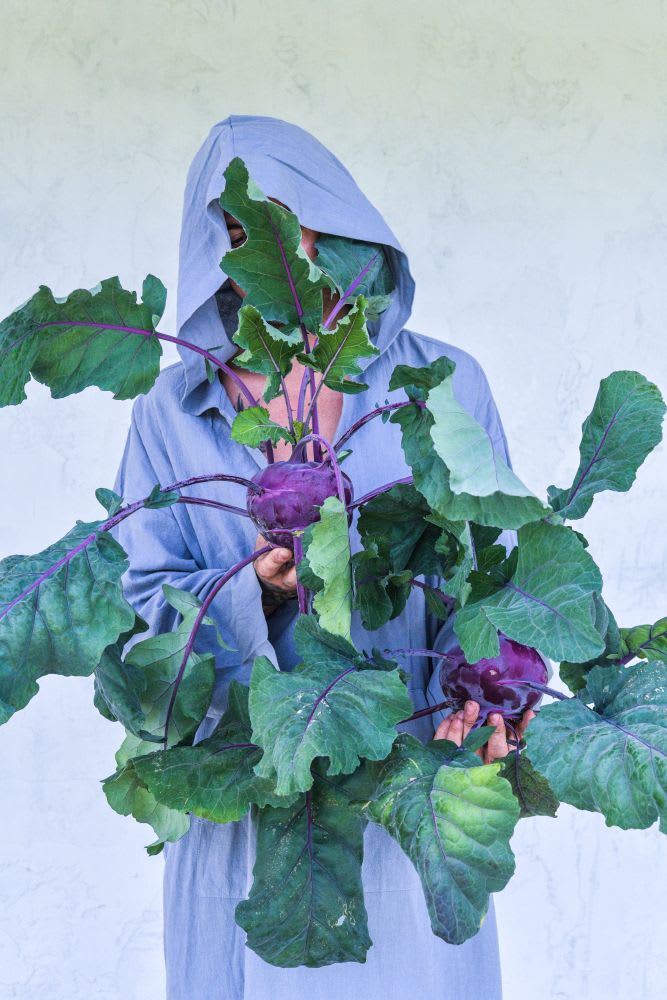
Kohlrabi: We think kohlrabi is an underappreciated vegetable in America, but perhaps the vibrant, mild, and crisp Azur, a new variety for 2026, can help change that. Think of it as cabbage with the crunch of a water chestnut!
Key Takeaways
- The time window for winter sowing is between the winter solstice and late February/early March. Your weather patterns, climate, and microclimate matter much more than the USDA hardiness zone map.
- Choose seed varieties that benefit from some exposure to the cold, or at the very least will tolerate it.
- In general, start perennials first, then move on to hardy annuals and cool-weather crops like lettuce or brassicas, and start tender annuals last.
- In warm climates, take care that the containers don’t get too hot. Provide some shade if necessary.
About the Author
Michelle Johnson wears many hats at Baker Creek, including writer, editor, and aspiring seed historian.


