Cabbage Seeds,
Sapporo Giant #4

4.89 ReviewsSKU #CB125 · 100 seeds
Price
Regular price $5.00
Regular price $0.00 Sale price $5.00
Save $-5
/

FREE U.S. SHIPPING, 2-YEAR GUARANTEE


Description

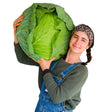
(Brassica oleracea). A true giant of the cabbage world, producing massive heads from 17 up to over 40 pounds—yet remarkably sweet and tender. Originating in Hokkaido and prized since the 1800s, this variety was nearly lost before being preserved by dedicated growers. A show-stopping cabbage that blends scale, flavor, and history into one unforgettable harvest. A farm favorite at Baker Creek.

Plant Details

Botanical Name
Brassica oleracea
Life Cycle
Biennial
Sun Requirement
Full sun
Days to Germinate
7–10
Days to Maturity
65–100
Planting Depth
¼ in.
Plant Spacing
36 in.
Ideal Temperature
50–75°F
Frost Hardy
Yes

Growing Guide

When to Grow

Sapporo Giant cabbage is ideally grown in cooler seasons. Start seeds indoors 6-8 weeks before the last expected frost date for a spring harvest. For a fall harvest, sow seeds in mid-summer. It typically takes about 65-100 days to mature, depending on the growing conditions. If you’re not sure how to find your first and last frost dates, consult our blog post 'Our Experts Answer Questions, Share Resources.'

How to Sow and Plant

Sow the seeds about 1/4 inch deep in a seed-starting mix if starting indoors. Once seedlings develop their first set of true leaves, transplant them outdoors, spacing them about 36 inches apart due to the large size of the heads. This cabbage variety prefers well-draining, fertile soil with a slightly acidic to neutral pH (6.0-7.5).

How to Grow

To grow Sapporo Giant successfully, ensure it receives full sun, about 6-8 hours a day. Consistent watering is crucial; the plants should receive about 1-1.5 inches of water per week. Deep watering is recommended to promote strong root growth. Mulching around the base can help retain soil moisture and prevent weeds. Fertilize regularly with a balanced fertilizer to support its large size.

How to Save Seeds

  • If you plan to save seeds, isolate plants from other members of the cabbage species (kale, collards, broccoli, Brussels sprouts and cauliflower) by up to one mile to avoid cross pollination.
  • Cabbage is biennial, blooming only after experiencing a winter's chill, and will require overwintering with heavy mulch and row cover in cool winter areas.
  • For those with very harsh winters, consider digging up and placing in a root cellar until hard frost has passed.
  • In the second season, when flowers have passed and seed pods have dried, dig up the plants and hang upside down to dry.
  • Dried pods can be placed in a sack and crushed to release seeds. Remove chaff and detritus.
  • Place seeds in a glass jar and refrigerate for up to 5 years.

FAQ

How large can Sapporo Giant cabbage heads grow?

In optimal conditions, heads can reach between 17 to 44 pounds.

What are the ideal growing conditions for Sapporo Giant cabbage?

This variety thrives in full sun, with well-draining soil and consistent moisture. It can handle cooler temperatures and is suitable for USDA hardiness zones 3-11.

Can Sapporo Giant cabbage tolerate frost?

Yes, Sapporo Giant cabbage is quite frost-tolerant. Mature plants can withstand light frosts, making them suitable for late-season growing. However, it is advisable to protect young seedlings from frost to prevent damage.

Browse our full range of cabbage seeds.
Customer reviews

4.8 / 5 9 Reviews

What gardeners are saying

  • Truly enormous heads: Heads reach 30 pounds, more than one person can easily lift.

  • Easy to grow: Grew into giants with little care, even when crowded.

  • Tender, peppery flavor: Crunchy and tasty fresh, as leaf wraps or made into kraut.

  • Heads up: Give them room and water; watch for cabbage worms and slugs.