Cabbage Seeds,
Tete Noire

3.39 ReviewsSKU #CB113 · 300 seeds
Price
Regular price $4.00
Regular price $0.00 Sale price $4.00
Save $-4
/

FREE U.S. SHIPPING, 2-YEAR GUARANTEE


Description

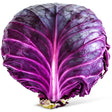
(Brassica oleracea). A true old-world cabbage, Tete Noire—French for “black head”—takes its name from the deep, dusky red color that darkens in cool autumn weather. This traditional variety has been quietly grown in French kitchen gardens for generations, valued for its compact size, firm texture, and dependable performance as a fall crop. Unlike large storage cabbages, it was favored for smaller household harvests, where quality and flavor mattered more than sheer size. As temperatures drop, the color intensifies and the flavor sweetens, producing tight, richly colored heads with a refined taste suited to fresh use or light cooking. Rare outside of Europe and seldom seen in modern commerce, this heirloom carries the understated elegance of regional French gardening—practical, beautiful, and deeply rooted in tradition.

Plant Details

Botanical Name
Brassica oleracea
Life Cycle
Biennial
Sun Requirement
Full sun
Days to Germinate
7–10
Days to Maturity
65
Planting Depth
¼ in.
Plant Spacing
18–20 in.
Ideal Temperature
50–75°F
Frost Hardy
Yes

Growing Guide

When to Grow

Tete Noire is best grown in cool weather. For a spring harvest, start seeds indoors 4-6 weeks before transplanting, and set the hardened-off seedlings outdoors 2-4 weeks before the last expected frost; it tolerates light frost and heads best before summer heat arrives. For a fall harvest, sow seeds directly outdoors in mid-summer. This cabbage takes about 65 days to mature, depending on the growing season​. If you’re not sure how to find your first and last frost dates, consult our blog post 'Our Experts Answer Questions, Share Resources.'

How to Sow and Plant

Sow seeds 1/4 inch deep in seed-starting mix if starting indoors. When transplanting, space seedlings 18-20 inches apart to give them room to grow. Tete Noire prefers well-drained, fertile soil with a pH between 6.0 and 7.5. Ensuring that the soil is rich in organic matter will help retain moisture and provide the necessary nutrients​.

How to Grow

Tete Noire cabbage requires full sun, receiving at least 6 hours of sunlight daily. Consistent watering is essential, with the soil kept evenly moist but not waterlogged. Heavy mulching can help conserve moisture and prevent weed growth. Use a balanced fertilizer to support healthy growth, especially as the heads form​.

How to Save Seeds

  • If you plan to save seeds, isolate plants from other members of the cabbage species (kale, collards, broccoli, Brussels sprouts and cauliflower) by up to one mile to avoid cross pollination.
  • Cabbage is biennial, blooming only after experiencing a winter's chill, and will require overwintering with heavy mulch and row cover in cool winter areas.
  • For those with very harsh winters, consider digging up and placing in a root cellar until hard frost has passed.
  • In the second season, when flowers have passed and seed pods have dried, dig up the plants and hang upside down to dry.
  • Dried pods can be placed in a sack and crushed to release seeds. Remove chaff and detritus.
  • Place seeds in a glass jar and refrigerate for up to 5 years.

FAQ

How frost-tolerant is Tete Noire cabbage?

Tete Noire is highly frost-tolerant and can handle light frosts, making it a good choice for cooler climates and fall growing. The ideal temperature for optimal growth is 50-75 F.

What are common pests for Tete Noire cabbage?

Watch for pests like cabbage worms, aphids, and slugs. Use organic pest control methods, such as hand-picking and using insecticidal soap, to manage these common issues.

Can Tete Noire cabbage be grown in containers?

Yes, Tete Noire can be grown in containers, provided they are large enough (at least 8 inches deep and 12 inches in diameter) to accommodate the plant's root system and support its growth.

Browse our full range of cabbage seeds.
Customer reviews

3.3 / 5 9 Reviews

What gardeners are saying

  • Striking dark color: One of the prettiest plants in the garden.

  • Sweet in slaw: Firm, compact heads with sweet flavor raw or pickled.

  • Compact small heads: Small, tight heads suit a small family.

  • Heads up: Slow to head and some plants never do; give it a long cool season.