Chinese Cabbage Seeds,
Hilton

4.828 ReviewsSKU #OR140 · 300 seeds
Price
Regular price $3.50
Regular price $0.00 Sale price $3.50
Save $-3.50
/

FREE U.S. SHIPPING, 2-YEAR GUARANTEE


Description

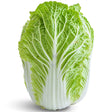
(Brassica rapa). Some crops just make life easy—and Hilton is one of them. Tight, barrel-shaped heads come on smooth and steady, packed with tender leaves and a clean, mild flavor that fits just about anything. Slice it fresh, toss it in a sizzling wok, or ferment it down into a batch of delicious, kimchi. And here’s the twist—this is a Chinese cabbage developed in ol’ England… a true multicultural vegetable if there ever was one. East meets West in the garden row, and everybody eats well. Crisp, easy, and full of good vibes—this one’s a celebration on a plate.

Plant Details

Botanical Name
Brassica rapa
Life Cycle
Annual
Sun Requirement
4–6 hr.
Days to Germinate
10–14
Days to Maturity
70
Planting Depth
¼ in.
Plant Spacing
12–15 in.
Ideal Temperature
60–80°F
Frost Hardy
Yes

Growing Guide

When to Grow

Start Hilton Chinese cabbage indoors 4-6 weeks before your last frost and transplant out once frost danger has passed, or sow in late summer for a fall harvest. It generally takes around 70 days to mature, depending on growing conditions. This cabbage does well in temperatures ranging from 60 F to 80 F. A cold spell below about 50 F will send young spring plants to seed instead of heading, while summer heat and long days cause midsummer bolting. If you're not sure how to find your first and last frost dates, consult our blog post 'Our Experts Answer Questions, Share Resources.'

How to Sow and Plant

Directly sow Hilton seeds in the garden about 1/4 inch deep, spacing them 4-6 inches apart. After the seedlings grow to about 4-5 inches tall, thin them to 12-15 inches apart to provide enough space for the plants to develop. If starting seeds indoors, carefully transplant when the seedlings are 4 weeks old.

How to Grow

Maintain evenly moist soil by watering regularly but avoid waterlogging. Use organic mulch around the plants to conserve moisture and reduce weed growth. Fertilize with a balanced fertilizer at planting and then every 3-4 weeks throughout the growing season. Monitor for pests such as aphids, cabbage worms, and slugs, and use appropriate organic or chemical controls as necessary.

How to Save Seeds

  • Select your best plants to keep for seed and leave them to flower and go to seed.
  • Leave plants in the ground over winter, with heavy mulch and a row cover in harsh winter areas.
  • In the second season, the plant will send up flower stalks from the head, and as they mature they will become seed pods.
  • Once the seed stalks/pods are brown and dry, cut the seed stalks off, and break open the seed pods with your hands or a rolling pin over a container such as a bowl or plate, and separate and extract the seeds.

FAQ

When should I plant Hilton Chinese cabbage?

Start seed indoors 4-6 weeks before the last expected frost and transplant out after frost danger has passed, or sow in late summer for a fall harvest. This timing avoids both the spring cold that makes young plants run to seed and the heat of summer.

How do I prepare the soil for planting Hilton Chinese cabbage?

Prepare the soil by ensuring it is well-drained and rich in organic matter. Adding aged compost or well-rotted manure before planting can enhance soil fertility. A slightly acidic to neutral pH (6.0-7.5) is best for optimal growth.

What should I do if my Hilton Chinese cabbage starts bolting?

In spring, bolting is most often triggered by cold: young plants held below about 50 F run to seed instead of heading, so wait until frost danger has passed to set them out. Heat, long days, and inconsistent watering do it in summer, so keep the soil evenly moist and provide some shade during hotter parts of the day.

Browse our full range of Chinese cabbage seeds.
Customer reviews

4.8 / 5 28 Reviews

What gardeners are saying

  • Big, heavy heads: Heads can weigh 3 to 4 pounds, with some topping 5.

  • Made for kimchi: Mild, sweet and crisp; many grow it just for kimchi and stir-fry.

  • Easy to grow: Near-total germination, transplants well, little fuss after that.

  • Few pest problems: Shrugs off the bugs that ruin other cabbages for many growers.

  • Growing tips: Give plants room; some heads open like a flower rather than tight.