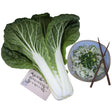
Chinese Cabbage Seeds,
Nagasaki Late
FREE U.S. SHIPPING, 2-YEAR GUARANTEE
Description
(Brassica rapa). Now listen… this one comes with a story. From the kitchens of Nagasaki, where generations have gathered around steaming bowls, this crisp, hearty green—known as Tojinna—has stood the test of time. Cool weather only makes it better, sweeter, fuller, more alive. Toss it in a hot wok, simmer it in broth, or let it shine in a slow, comforting soup. It’s the kind of vegetable that doesn’t just feed the body—it carries a tradition. A little crunch, a little warmth, and a whole lot of history in every bite.
Plant Details
- Botanical Name
- Brassica rapa
- Life Cycle
- Annual
- Sun Requirement
- 4–6 hr.
- Days to Germinate
- 10–14
- Days to Maturity
- 70–90
- Planting Depth
- ¼ in.
- Plant Spacing
- 12–15 in.
- Ideal Temperature
- 60–80°F
- Frost Hardy
- Yes
Growing Guide
When to Grow
How to Sow and Plant
How to Grow
How to Save Seeds
FAQ
Can Nagasaki Late Chinese cabbage be grown in containers?
Yes, it can be grown in containers that are at least 8-10 inches deep with good drainage. Container-grown plants should be watered regularly and moved to a shaded area in hotter weather to prevent bolting.
What are common pests and diseases, and how can they be managed?
Common pests include aphids, cabbage worms, and flea beetles. Diseases such as downy mildew and clubroot can also affect the plants. Regular monitoring, using row covers, and applying organic insecticides can help manage these issues. Crop rotation and avoiding planting where brassicas were previously grown can help prevent disease.
What can cause Nagasaki Late Chinese cabbage to develop a bitter taste?
A bitter taste in Chinese cabbage can occur if the plant bolts due to stress from high temperatures or inconsistent watering. Harvesting heads when they are young and tender and maintaining even moisture can help prevent bitterness.
Browse our full range of Chinese cabbage seeds.