Kale Seeds,
Sahara

4.34 ReviewsSKU #KA119 · 50 seeds
Price
Regular price $4.50
Regular price $0.00 Sale price $4.50
Save $-4.50
/

FREE U.S. SHIPPING, 2-YEAR GUARANTEE


Description

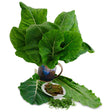
(Brassica oleracea). Super simple to grow, this smooth and broad-leafed kale displays gorgeous blue/green foliage with brilliant white veins, and thrives with ferocious vigor with hardly any input. Sahara Kale thrives where others falter, enduring both scorching desert-hot days and cold desert nights. The seeds of this heat-loving kale were passed to us by Joseph Simcox after his journey to the rugged oasis near Ouarzazate, Morocco. This kale is one of the most versatile choices for a diverse range of climates. Sahara Kale shines in the kitchen with its rich, delectably succulent smooth leaves bursting with flavor. We love this highly adaptable kale from North Africa.

Plant Details

Botanical Name
Brassica oleracea
Life Cycle
Biennial
Sun Requirement
6–8 hr.
Days to Germinate
5–10
Days to Maturity
50–70
Planting Depth
¼–½ in.
Plant Spacing
12–18 in.
Ideal Temperature
50–80°F
Frost Hardy
Yes

Growing Guide

When to Grow

Plant in early spring, 2–4 weeks before your region’s last frost date, or in mid-to-late summer for a fall crop. In warmer zones, winter harvests are possible with minimal protection. If you’re not sure how to find your first and last frost dates, consult our blog post 'Our Experts Answer Questions, Share Resources.'

How to Sow and Plant

Sow seeds directly into garden beds or start indoors. Plant 1/4 to 1/2 inch deep. Once seedlings emerge and have a set of true leaves, thin to 12–18 inches apart to allow airflow and full leaf development.

How to Grow

Keep soil evenly moist and apply a nitrogen-rich fertilizer every 3–4 weeks. Sahara kale is more heat-tolerant than other kales but still appreciates mulch to regulate temperature and moisture. Watch for common brassica pests and use floating row covers as needed.

How to Save Seeds

  • Like all cabbage family members, kale is biennial.
  • Kale is insect pollinated and will cross with some closely related cabbage family members, so it is wise to isolate varieties at least a mile apart to ensure pure seed. Other techniques such as alternate day caging can be used if isolation is not possible.
  • You will need to overwinter plants to harvest seeds. Mulch plants heavily with straw or cover with row cover and greenhouse plastic in an attempt to nurse plants through the winter. You can also dig up plants and store them inside to replant in spring.
  • When the flower spikes emerge in the second year, let the seed pods dry to brown and cut off the entire flower spike.
  • Hang flower stalks upside down indoors over a tarp, allowing the seeds to drop onto the tarp.
  • Seeds will remain viable for up to 4 years.

FAQ

Is Sahara kale good for warmer climates?

Yes, Sahara kale is a heat-adapted North African landrace and performs better than many other kale varieties in warmer temperatures while still maintaining good leaf texture and flavor.

Can I eat Sahara kale raw in salads?

Absolutely. Its smooth to lightly ruffled leaves are tender enough for raw preparations and make a flavorful, nutritious addition to salads, smoothies, and wraps.

How long will Sahara kale produce?

With regular harvesting and good growing conditions, Sahara kale can produce for several months, especially when grown in cooler temperatures or shaded summer beds.

Browse our full range of kale seeds.
Customer reviews

4.3 / 5 4 Reviews

What gardeners are saying

  • Large, flat leaves: Big flat leaves, good for wraps and stuffing.

  • Fast growing: Germinates and grows quickly; a tall plant in containers.

  • Mild flavor: Mild, versatile leaves, good raw or cooked.

  • Heads up: Mixed results in heat; some bolted or struggled in hot summers.

More to grow!

See all Kale Seeds